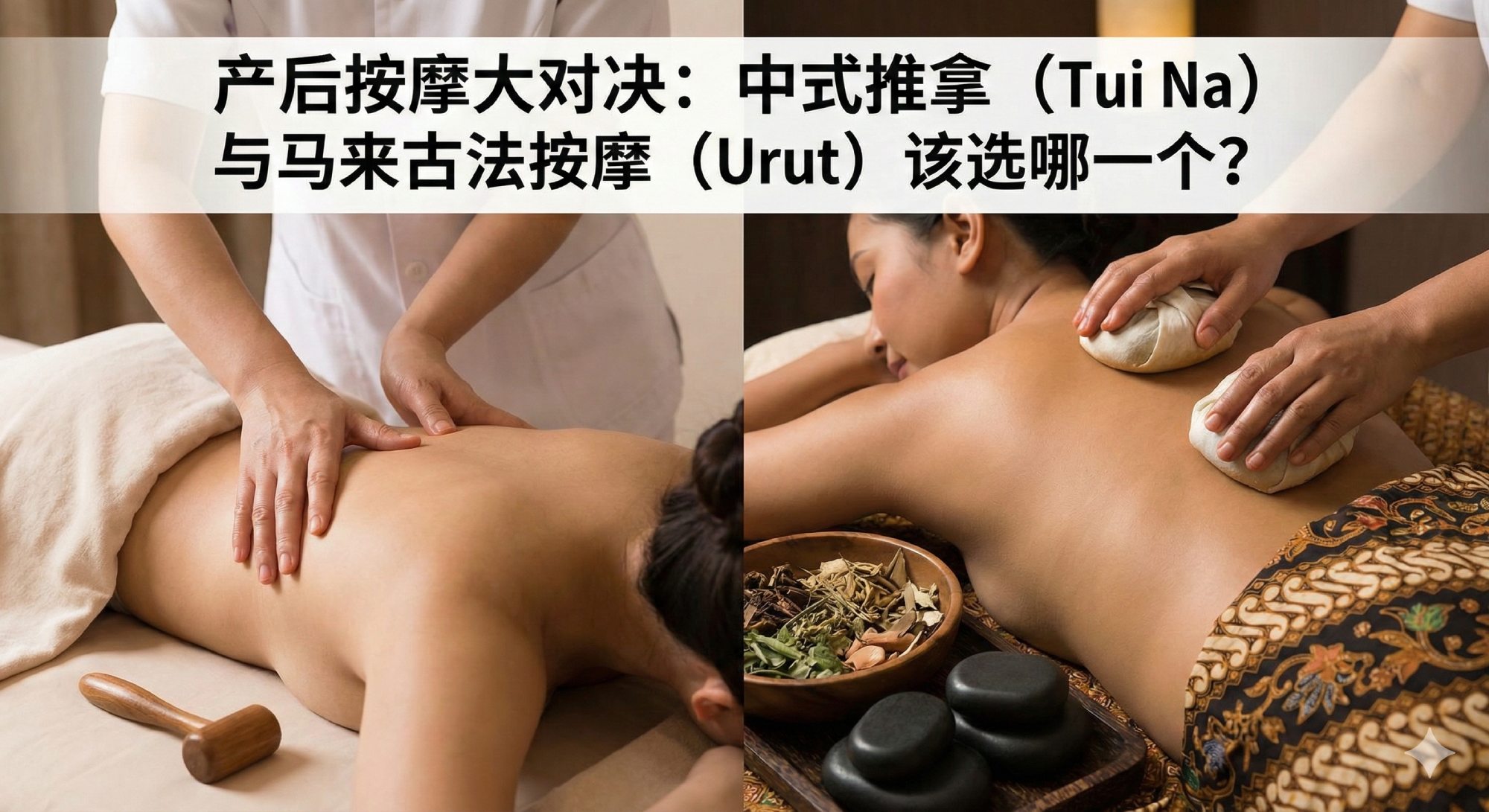
华人vs马来产后按摩:推拿 vs Urut(2026大马妈妈指南)
看着产后按摩服务的菜单,不知道该选推拿还是Urut?你不是一个人。对大马新手妈妈来说,这个决定让人很压力——尤其是每个姨妈姑姐都有不同的意见。
事实是:华人传统按摩和马来传统按摩都已经帮助了几代的妈妈恢复健康。但是它们的原理不同。选择哪一种(或两样都做)取决于你的身体状况、生产方式和恢复目标。
在这篇指南中,我们会详细讲解所有东西——手法、好处、传统仪式和价格范围——让你可以为你的马来西亚产后按摩做出最好的选择。
快速比较:推拿 vs Urut 一目了然
| 特色 | 华人推拿 | 马来Urut Pantang |
|---|---|---|
| 主要功效 | 止痛、祛风、肌肉恢复 | 催乳、子宫复位、塑身 |
| 手法 | 穴位深层按压 | 草药油长推手法 |
| 力度 | 强劲到强烈(深层组织) | 中等到强劲(放松型) |
| 传统仪式 | 姜油涂抹、经络刺激 | Sengkak(子宫提升)、Bertungku(热石)、Bengkung绑腹 |
| 最适合 | 腰酸背痛、关节僵硬、剖腹产恢复 | 哺乳妈妈、子宫恢复、瘦腰 |
| 一般价格(KL/PJ) | RM150–300 一次 | RM180–350 一次 |
传统马来按摩(Urut Pantang):全面的疗愈
Urut Pantang 不只是按摩——它是一个完整的产后保健系统,由马来接生婆(bidan)传承了几百年。
手法:有节奏且放松
治疗师用拇指、手掌和前臂,以温热的草药油(通常是香茅或姜味)进行长推手法。力度强劲但舒服——目的是:
- 促进血液循环
- 刺激淋巴排毒
- 排出体内”angin”(风)
- 放松生产时紧张的肌肉
催乳优势:Urut Payudara(胸部按摩)
这是马来按摩对哺乳妈妈最棒的地方。治疗师会进行Urut Payudara——专业的胸部和腋下按摩,可以:
- 疏通堵塞的乳腺
- 缓解涨奶疼痛
- 刺激乳汁分泌
- 疏通淋巴结预防乳腺炎
如果你面对奶水不足或经常乳腺堵塞的问题,单单这个理由就值得考虑Urut了。
独特传统仪式:Sengkak & Bertungku
Sengkak(子宫提升): 一种温和但特定的手法,治疗师用控制的力度引导子宫回到产前位置。这有助于:
- 加快子宫收缩
- 减少产后出血
- 更好的骨盆底恢复
Bertungku(热石疗法): 用草药叶包裹的加热河石在腹部和背部按压。好处包括:
- 分解残留脂肪
- 排出体内”冷风”
- 促进修复组织的血液循环
Bengkung绑腹: 按摩后,用长棉布紧紧包裹腹部。这个传统束腹带可以:
- 支撑骨盆底
- 帮助腹直肌分离恢复
- 自然重塑腰线
传统华人按摩(推拿):精准的修复
推拿(发音”twee nah”)源自中医原理。它把产后恢复看作是恢复身体气血平衡和血液循环的过程。
手法:针对性和治疗性
与Urut的流畅手法不同,推拿使用:
- 拇指和手指按压特定穴位
- 肘部技巧进行更深层的肌肉放松
- 经络刺激以疏通能量通道
力度通常更强劲——深入结节和紧张点,而不是滑过表面。
重点:止痛和祛风
中医 theory 说生产后身体容易受到”风湿”侵袭——这会导致:
- 慢性腰酸背痛
- 关节僵硬和肌肉紧张
- 怕冷和怕风
- 持续的身体酸痛
推拿通过以下方式直接解决这些问题:
- 刺激受伤组织的血液流动
- 释放深层肌肉紧张
- 用姜油从内而外温暖身体
- 恢复正确的身体 alignment
如果你出院时带着严重的腰酸背痛,或感觉身体从生产后”一直没有恢复”,推拿可能提供你需要的深层组织缓解。
剖腹产后的考量
许多华人按摩师有专门针对剖腹产恢复的 protocol,着重于:
- 疤痕组织松动(愈合后)
- 腹部肌肉重新连接
- 改善消化和胀气
你应该选择哪一种产后按摩?
还在犹豫?这里有一个基于你最关心的产后问题的简单决策框架:
选择马来Urut如果你:
- ✅ 你在哺乳并需要催乳支持
- ✅ 你想要子宫复位(Sengkak)
- ✅ 瘦腰/塑身是 priority
- ✅ 你喜欢放松型的油压按摩
- ✅ 你喜欢传统热石(Bertungku)疗法
选择华人推拿如果你:
- ✅ 你有严重的怀孕腰酸背痛/关节痛
- ✅ 你觉得”怕冷”或怕风
- ✅ 你想要深层组织按摩处理肌肉结节
- ✅ 你剖腹产并需要疤痕恢复
- ✅ 你喜欢穴位按压多于油压按摩
可以两样都做吗?融合方式
可以——很多大马妈妈都这样做!
现代月子中心和上门按摩服务现在提供融合配套,结合两种传统的精华:
- 先做推拿处理腰酸背痛和肌肉紧张
- 然后做Urut进行胸部护理和子宫提升
- 最后用Bengkung绑腹支撑
跟你的治疗师讨论你的具体需求。很多人两种技术都受过训练,可以 customize 你的 session。
常见问题(FAQ)
什么时候可以开始做产后按摩?
自然产:产后3-5天就可以开始,等出血稳定后。
剖腹产:等4-6周,直到伤口完全愈合。一定要先得到医生的批准。
需要做几次?
传统月子按摩配套通常包括7-10次,分布在2-4周内。针对特定问题如腰酸背痛或奶水不足,3-5次针对性按摩可能就足够了。
产后按摩会痛吗?
马来Urut通常是放松的,力度中等。华人推拿可能比较强劲——尤其是酸痛的地方——但应该不会痛到受不了。一定要跟治疗师沟通你喜欢的力度。
如果没有哺乳可以做产后按摩吗?
当然可以!推拿和Urut都有除了催乳之外的好处——子宫恢复、止痛和情绪健康对所有新手妈妈都有帮助。
马来西亚产后按摩多少钱?
价格因地点和经验而异:
- 上门/住家服务: RM180-350 一次
- 月子中心: 通常包含在配套里
- 7次配套: RM1,200-2,500
产后按摩后应该避免什么?
- ❌ 按摩后马上喝冷饮或冲凉
- ❌ 搬重物或剧烈运动
- ❌ 至少2周内避免行房
- ✅ 要喝温水和休息
最后的话:倾听你的身体
在推拿和Urut之间没有”错误”的选择。两种传统都经得起时间的考验,因为它们有效。
最好的产后按摩是能够满足你的恢复需求的那种——无论是修复你酸痛的背部、增加你的奶水,还是只是让自己有机会休息和康复。
我们的建议? 如果可以的话,两样都试试。先做一个传统的几次,然后换另一个。注意你的身体如何反应。目标不是完美——是康复,一次按摩一次进步。
你试过推拿或Urut吗?哪一个对你的恢复更有效?在下方留言分享你的经验——我们很想听听你的故事!

饮食如何影响私处气味?改善私密部位味道的终极指南
俗话说“人如其食”(You are what you eat),这句话不仅适用于你的腰围和皮肤健康,同样也适用于你身体最私密的部位。许多人可能没有意识到,日常摄入的食物和饮料会直接影响体液的成分,进而改变私处的气味甚至味道。
无论你是为了提升自信,还是为了给伴侣更好的亲密体验,了解饮食如何影响私密部位的生理环境都是至关重要的。本文将基于科学和专家建议,为您揭秘哪些食物是私处气味的“破坏者”,而哪些又是“加分项”。
为什么食物会影响私处气味?
人体的排泄机制不仅仅通过排便和排尿,皮肤毛孔和分泌腺也是代谢产物排出的通道。私处的汗腺丰富,且环境相对封闭,因此更容易积聚气味。当你摄入某些食物时,其中的化学成分(如硫化物、糖分、酸性物质等)会被身体吸收并进入血液循环,最终通过粘液膜、汗液和其他体液分泌出来。
这就解释了为什么吃完芦笋后尿液会有异味,或者大量饮酒后全身都会散发酒气。同样的原理也作用于精液和阴道分泌物。
哪些食物会让私处味道变“坏”?
如果你发现私处气味较重,或者味道偏苦、偏咸,可能需要审视一下你的饮食清单中是否包含以下食物:
1. 红肉
红肉(如牛肉、羊肉)富含蛋白质,但也可能让体液的味道变得更重、更咸。这是因为红肉在消化过程中会产生特定的氨基酸和化学物质,这些物质会通过体液排出,导致气味变得浓烈。
2. 芦笋
芦笋是著名的“气味制造者”。它含有天冬酰胺,分解后会产生硫化物。这不仅会让尿液产生强烈的刺鼻气味,也会影响其他体液的味道。
3. 大蒜和洋葱
这两种调味品虽然对健康有益,但它们含有的硫化合物挥发性极强。正如它们会导致口臭一样,这些硫化物被血液吸收后,也会通过毛孔和分泌物排出,导致私处气味变得辛辣或刺鼻。
4. 乳制品
过量摄入奶酪、牛奶等乳制品可能会导致粘液分泌增加,并可能改变私处的细菌平衡(pH值),从而导致味道变得有些“发霉”或类似酵母的味道。
5. 咖啡因和酒精
咖啡和酒精不仅是利尿剂,会导致身体脱水,还会让体液偏酸性,产生苦味。脱水会导致尿液和分泌物浓缩,从而加重气味。
哪些食物能让私处味道变“甜”或更清新?
幸运的是,大自然也提供了一些天然的“除臭剂”和“增甜剂”。以下食物有助于改善私处环境,让味道变得更清淡甚至带有一丝甜味:
1. 菠萝和柑橘类水果
这是最广为人知的“秘方”。菠萝、橙子、葡萄柚等富含天然糖分和抗氧化剂的水果,被认为可以显著改善体液的味道,使其变得更甜。这主要是因为它们有助于平衡体内的酸碱度。
2. 蔓越莓汁
蔓越莓不仅对预防尿路感染(UTI)有效,它还能通过平衡尿道的pH值来改善气味。纯天然的蔓越莓汁(非加糖浓缩液)是最佳选择。
3. 大量的水
水是最好的排毒剂。保持充足的水分摄入可以稀释体液,冲刷掉导致异味的毒素。当你身体水分充足时,体液的味道几乎是无味的。
4. 肉桂和薄荷
这些香料不仅能改善口气,也能轻微地改善体液的味道。肉桂属于碱性食物,有助于中和体内的酸性,让味道变得温和。
5. 小麦草、芹菜和欧芹
这些富含叶绿素的绿色蔬菜就像是体内的除臭剂。叶绿素有助于减少体内细菌产生的异味,让身体散发出更清新的气息。
总结与建议
虽然饮食在很大程度上影响着私处的味道,但它并不是唯一的因素。良好的卫生习惯、健康的性生活方式以及定期的体检同样重要。如果私处突然出现强烈的鱼腥味、腐烂味或其他异常气味,这可能是细菌性阴道炎或其他感染的迹象,应及时就医,而不是仅仅依赖饮食调整。
想要保持私处清新,建议遵循“多素少肉、多水少酒”的原则。尝试在约会前几天多吃菠萝、多喝水,避免重口味的食物,这不仅能让你感觉更清爽,也能提升亲密时刻的体验。

子宫下垂(子宫脱垂)的症状有哪些?如何有效治疗与预防?
子宫下垂,医学上通常称为“子宫脱垂”,是许多女性——尤其是产后妈妈和中老年女性——难以启齿的隐痛。它不仅影响身体的舒适度,更可能严重干扰日常的生活质量。如果您经常感到小腹有下坠感,或者在清洗私处时摸到有异物,这可能就是子宫脱垂的早期信号。本文将结合专业医学知识,为您详细解读子宫下垂的症状、成因以及科学的治疗与预防方法。
什么是子宫下垂?
子宫下垂是指子宫从正常位置沿阴道下降,宫颈外口达坐骨棘水平以下,甚至子宫全部脱出于阴道口以外。简单来说,就是支撑子宫的“吊床”(盆底肌肉和韧带)变松了,兜不住子宫,导致其位置下移。
根据病情的严重程度,临床上通常将子宫脱垂分为三度:
- I度:子宫颈下垂,但仍位于阴道内,未超出处女膜缘。
- II度:子宫颈及部分子宫体已脱出阴道口外。
- III度:子宫颈及子宫体全部脱出阴道口外。
子宫下垂的常见症状
许多轻度患者可能没有明显的不适,但随着病情加重,以下症状会逐渐显现:
1. 腰骶部酸痛与下坠感
这是最常见的症状。患者常感到小腹下坠、腰酸背痛,这种感觉在长时间站立、行走或劳累后会加重,卧床休息后通常能得到缓解。
2. 阴道内有肿物脱出
在中重度患者中,会感觉阴道口有“肉球”掉出来。起初可能只是在腹压增加(如咳嗽、用力排便)时出现,休息后能缩回;严重时,肿物长期暴露在外,容易因摩擦导致溃疡、出血或感染。
3. 排尿与排便异常
子宫下垂往往伴随着膀胱或直肠的移位。这可能导致压力性尿失禁(咳嗽大笑时漏尿)、排尿困难、尿频尿急,或者便秘、排便不尽感。
导致子宫下垂的主要原因
了解成因有助于我们更好地预防。导致盆底支持组织薄弱的原因主要包括:
- 妊娠与分娩:这是最主要的原因。分娩过程中的损伤、胎儿过大或产程过长,都会过度拉伸盆底肌肉和韧带。
- 衰老与绝经:随着年龄增长,特别是绝经后,雌激素水平下降,导致盆底组织萎缩、弹性降低。
- 腹压长期增加:慢性咳嗽、习惯性便秘、长期从事重体力劳动(如搬运重物)或频繁的深蹲,都会增加腹压,推动子宫下移。
子宫下垂该如何治疗?
治疗方案的选择取决于患者的年龄、生育要求以及脱垂的严重程度。
1. 非手术治疗(适用于轻度患者)
对于轻度脱垂或因身体原因无法手术的患者,保守治疗是首选:
- 盆底肌训练(凯格尔运动):这是最基础也最有效的康复手段。通过主动收缩肛门和阴道周围的肌肉,增强盆底支撑力。建议在专业指导下坚持练习。
- 子宫托:这是一种放置在阴道内的医疗器械,用于托住子宫,缓解症状。使用子宫托需要定期取出清洗和复查,以防感染。
- 中药与物理治疗:配合补中益气的中药调理或生物反馈电刺激治疗,也能起到辅助改善作用。
2. 手术治疗(适用于中重度患者)
对于脱垂严重、症状明显且保守治疗无效的患者,医生通常会建议手术。手术方式多种多样,包括利用自身组织修复、植入网片悬吊或在特定情况下进行子宫切除术等。具体的方案需要由专业医生根据患者的具体情况制定。
如何预防子宫下垂?
预防胜于治疗,呵护盆底健康应从日常做起:
- 产后康复:产后42天应进行盆底筛查,并尽早开始盆底肌修复训练。
- 避免腹压过高:积极治疗慢性咳嗽和便秘,避免长时间负重或频繁屏气用力。
- 健康生活方式:控制体重,避免肥胖给盆底带来额外负担;多吃富含纤维的食物,保持大便通畅。
总结:子宫下垂并不是一种令人羞耻的疾病,而是盆底功能障碍的一种表现。如果您怀疑自己有相关症状,请务必及时前往正规医院妇科或盆底康复科就诊。早发现、早干预,通过科学的治疗和锻炼,完全可以重获健康与自信。

流产后护理全攻略:如何科学“坐小月子”加速身心康复
流产(Miscarriage)对于任何期待新生命的女性和家庭来说,不仅是情感上的巨大失落,也是对女性身体的一次严峻考验。在医学上,流产后的身体恢复期常被民间称为“坐小月子”。这段时间的护理至关重要,它直接关系到女性未来的生殖健康和再次怀孕的顺利与否。
很多女性在流产后往往因为悲伤或工作繁忙而忽视了身体的调养,导致留下了病根。本文将结合专业的健康建议,为您详细解析流产后如何进行科学护理,帮助您在身心层面得到最好的疗愈。
为什么流产后需要“坐小月子”?
虽然流产不同于足月分娩,但身体经历的激素变化和子宫创伤是真实存在的。流产后,子宫内膜剥脱,子宫需要时间收缩复原,卵巢功能也需要时间恢复排卵。如果此时没有得到充分的休息和营养补充,容易导致妇科炎症、月经不调,甚至影响日后的生育能力。
所谓的“坐小月子”,并非要求完全卧床不起,而是指在流产后的2-4周内,通过科学的生活方式调整,让身体机能恢复到孕前状态。
流产后的身体护理要点
1. 充分的休息
流产后的前两周是恢复的关键期。建议至少休息1至2周,避免繁重的体力劳动和剧烈运动。过早进行重体力活动可能会导致子宫下垂或出血量增加。保证充足的睡眠,让身体有足够的能量进行自我修复。
2. 观察出血情况
流产后会有阴道出血,通常持续3-5天,最长不超过15天。如果出血量超过月经量,或者持续时间过长,甚至伴有发热、下腹剧痛、分泌物有异味等症状,应立即就医,这可能是宫内残留或感染的迹象。
3. 注意个人卫生
流产后子宫口尚未完全闭合,子宫内膜也有创面,这时期非常容易发生感染。因此,保持外阴清洁尤为重要:
- 勤换卫生巾:选择透气性好的卫生用品,避免细菌滋生。
- 禁止盆浴:在出血停止且医生确认恢复前,应采用淋浴,避免脏水进入阴道引发感染。
- 禁止性生活:通常建议在流产后至少一个月内,或直到第一次月经来潮干净后,再恢复性生活,以免造成上行感染或意外怀孕。
饮食调理:吃什么与避什么
“小月子”期间的饮食应以温补、易消化、高营养为主。
推荐摄入的食物:
- 富含蛋白质的食物:如鸡蛋、牛奶、鱼类、瘦肉和豆制品,蛋白质是身体组织修复的基础。
- 富含铁质的食物:流产伴随失血,需要补铁以防贫血。可以多吃菠菜、猪肝、红枣等。
- 富含维生素的蔬果:新鲜蔬菜和水果可以预防便秘,增强免疫力。
应避免的食物:
- 生冷食物:如冰淇淋、冰镇饮料等,容易导致血管收缩,影响恶露排出。
- 辛辣刺激性食物:如辣椒、酒精等,可能刺激子宫充血,延缓恢复。
- 活血化瘀类食物:在出血未停止前,应遵医嘱慎用强力活血的食材,以免造成出血不止。
关注心理健康:别忽视情绪的伤
流产带来的心理创伤往往比身体创伤更难愈合。荷尔蒙的急剧下降会加重情绪的波动,许多女性会感到内疚、自责、抑郁或焦虑。
请记住,流产通常是由染色体异常等自然选择因素造成的,并非您的过错。在这段时间里:
- 允许自己悲伤:不要压抑情绪,哭泣是释放压力的一种方式。
- 寻求支持:与伴侣、家人或朋友沟通您的感受。伴侣的支持尤为重要。
- 专业帮助:如果悲伤情绪持续过久,影响了日常生活,请及时寻求心理咨询师的帮助。
何时可以再次备孕?
关于再次怀孕的时间,医学界并没有绝对统一的标准,通常建议等待身体完全恢复,并且心理上也做好了准备。一般建议在流产后等待3-6个月,或者至少等待2-3次正常月经周期之后再尝试备孕。这能给子宫内膜足够的修复时间,也能让身体激素水平恢复正常。
在准备再次怀孕前,建议进行一次全面的孕前检查,了解流产的原因(如黄体功能不足、甲状腺问题等),从而进行针对性的调理,避免再次发生流产。
结语
流产是一次暂停,而不是终点。通过科学的“坐小月子”和细致的自我呵护,您的身体和心灵都会慢慢痊愈。请善待自己,相信在不久的将来,健康的宝宝会再次到来。

白带颜色与私密处健康:如何分辨正常与异常白带?
对于许多女性来说,白带(Vaginal Discharge)的变化往往是身体发出的第一个健康信号。然而,由于害羞或缺乏了解,很多女性在面对私密处问题时容易感到焦虑或忽视。事实上,白带是女性生殖系统健康的“晴雨表”。了解什么是正常的白带,以及何时通过白带的颜色、质地和气味来识别潜在的健康风险,是每一位女性都应该掌握的自我护理知识。
什么是正常的白带?
首先,我们需要明确一点:白带的存在是完全正常的。白带是由阴道粘膜、宫颈腺体及子宫内膜分泌的混合液,它的主要功能是湿润阴道、排泄代谢废物以及抑制病原菌生长。正常的生理性白带通常具有以下特征:
- 颜色:透明、乳白色或淡黄色(干燥后)。
- 质地:稀薄、粘稠或蛋清样(排卵期时会变得更透明且拉丝)。
- 气味:无味或带有淡淡的酸味(这是由于阴道内的乳酸杆菌作用)。
- 量:分泌量会随着月经周期、性兴奋、怀孕或压力而有所波动。
只要没有伴随瘙痒、疼痛或难闻的异味,通常不需要过度担心。
警惕!白带异常的信号
当阴道内的微生态平衡被打破,或者受到病原体感染时,白带就会出现“病理性”的变化。根据康民国际医院(Bumrungrad International Hospital)的专家建议,以下几种白带异常情况需要引起高度重视:
1. 白色豆腐渣样白带
如果白带呈现白色、浓稠,且质地像凝乳或豆腐渣,同时伴有剧烈的外阴瘙痒、红肿或烧灼感,这通常是霉菌性阴道炎(念珠菌感染)的典型症状。这种感染非常常见,尤其是在免疫力下降、服用抗生素或患有糖尿病的女性中。
2. 灰白色且有腥臭味
当白带变成灰白色,质地均匀稀薄,且散发出明显的鱼腥味(特别是在性生活后气味加重),这往往是细菌性阴道病(BV)的迹象。这是由于阴道内正常菌群失调,厌氧菌过度繁殖所致。
3. 黄绿色或泡沫状白带
如果发现白带呈黄绿色、脓性,或者带有泡沫,并且伴有异味和阴道瘙痒,这可能是滴虫性阴道炎的症状。这是一种可以通过性传播的感染,通常需要伴侣双方同时治疗。
4. 褐色或带血丝白带
非经期的褐色白带或血性白带可能暗示着多种情况。轻微的可能是排卵期出血或宫内节育器引起的副作用;但如果持续出现,尤其是在性交后出血,则需要警惕宫颈息肉、宫颈炎,甚至是宫颈癌等严重问题。
导致私密处健康问题的常见原因
了解原因有助于我们在日常生活中更好地预防。导致白带异常和私密处感染的常见因素包括:
- 感染:如细菌、真菌、滴虫或性传播疾病(淋病、衣原体)。
- 卫生习惯不当:过度清洁(如使用阴道冲洗液)会破坏阴道原本的酸碱平衡,反而容易导致感染。
- 异物刺激:被遗忘的卫生棉条或避孕工具。
- 荷尔蒙变化:绝经后雌激素水平下降,导致萎缩性阴道炎。
- 衣物选择:长期穿着紧身、不透气的化纤内裤,容易营造潮湿环境,滋生细菌。
如何保养私密处健康?
维护私密处的健康并不需要昂贵的产品,反而需要做“减法”。以下是一些实用的护理建议:
- 保持清洁但不过度:每天用温水清洗外阴即可,坚决避免进行阴道内部冲洗。阴道具有自净功能,冲洗反而会破坏天然屏障。
- 选择透气内裤:尽量穿着棉质、宽松的内裤,保持私密处干爽透气。避免长期穿紧身牛仔裤或连裤袜。
- 正确的擦拭方式:上完厕所后,应从前向后擦拭,防止肛门处的细菌感染阴道。
- 安全性行为:使用安全套不仅可以避孕,还能有效预防滴虫、淋病等性传播疾病。
- 定期检查:建议成年女性每年进行一次妇科检查,包括白带常规和宫颈癌筛查。
何时应该就医?
如果您发现白带的颜色、气味或量发生了明显改变,或者伴有外阴瘙痒、疼痛、排尿痛、性交痛或非经期出血,请务必及时就医。不要自行购买药物盲目治疗,因为不同类型的阴道炎(如霉菌性和细菌性)治疗药物是完全相反的,误用药物可能会加重病情。
私密处健康关乎女性的整体生活质量。通过细心观察白带的变化,您可以更早地发现身体的异常信号,并采取正确的措施呵护自己。
10 Reasons for an Itchy Vagina (And How to Stop the Itch)
There are few things more uncomfortable—or inconvenient—than an itchy vagina. It is the kind of nagging sensation that can distract you during a meeting, ruin a date, or keep you awake at night. While the immediate urge is to scratch, most women hesitate, knowing that scratching delicate tissue usually makes matters worse. Furthermore, the panic often sets in: Is it an infection? Is it something serious?
The first assumption many women make is that they have a yeast infection. While yeast is a very common culprit, it is far from the only reason you might be experiencing irritation “down there.” In fact, treating yourself for a yeast infection when you actually have a bacterial issue or a skin condition can delay proper healing and potentially exacerbate the problem.
Understanding the root cause of the itch is the first step toward relief. Below, we explore ten common reasons why your vagina (or more accurately, your vulva) might be itching, based on expert medical insights, and what you can do to stop the irritation.
1. Bacterial Vaginosis (BV)
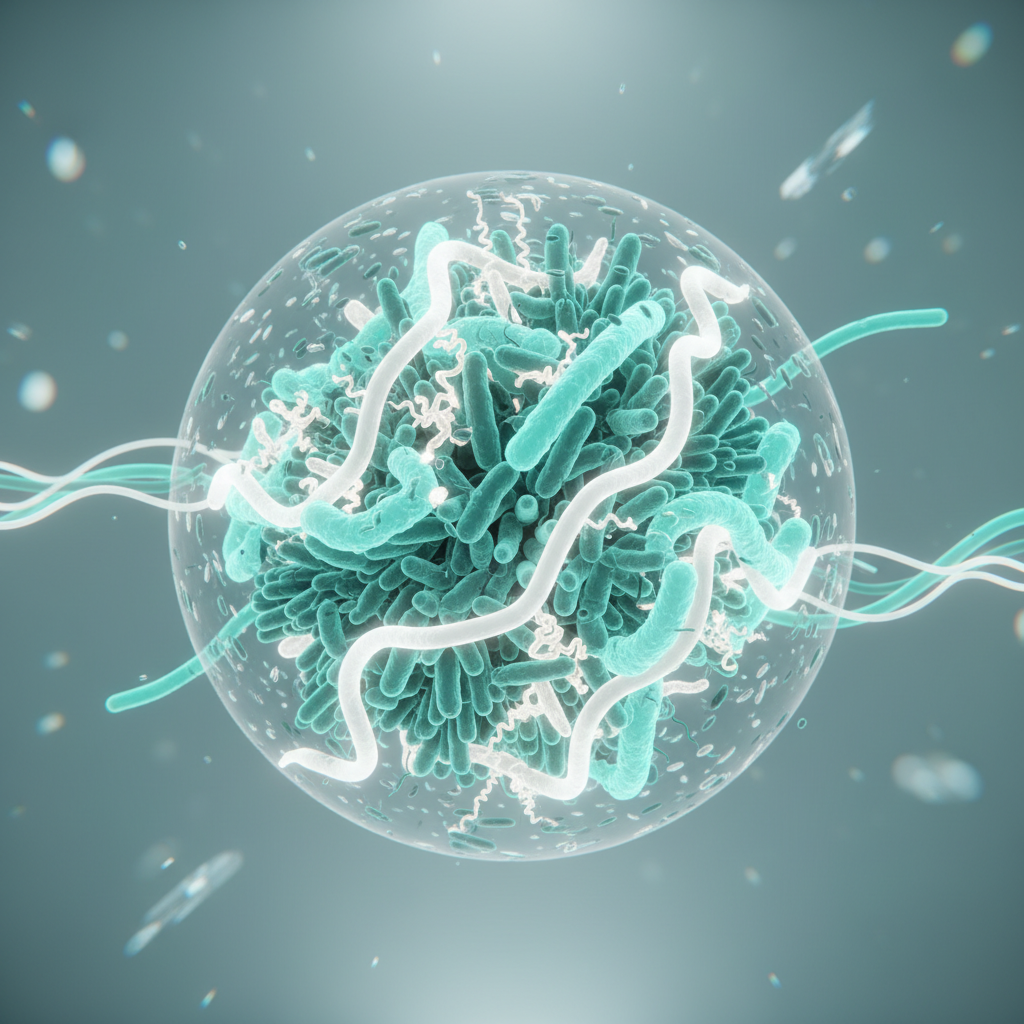
Bacterial Vaginosis is actually the most common vaginal infection in women between the ages of 15 and 44. It occurs when the delicate balance of bacteria in the vagina is disrupted, allowing “bad” bacteria to outnumber the “good” lactobacilli. While itching is a symptom, the hallmark sign of BV is usually a thin, greyish-white discharge accompanied by a distinct, fishy odor.
How to handle it: Unlike a yeast infection, BV cannot be treated with over-the-counter creams. You will need to see a doctor for a prescription antibiotic, either in pill or gel form. Ignoring BV can increase your risk of contracting STIs, so medical attention is necessary.
2. Yeast Infections
While not the only cause, yeast infections are undeniably a major player in vaginal itching. These occur when there is an overgrowth of the fungus Candida. The itching associated with a yeast infection is often intense and internal as well as external. You may also notice a thick, white, clumpy discharge that resembles cottage cheese.
How to handle it: If you have had one before and recognize the symptoms, over-the-counter antifungal creams or suppositories are often effective. However, if this is your first time or the OTC medication doesn’t work, visit your gynecologist to rule out other strains of yeast or different infections.
3. Contact Dermatitis
Your vulva is covered in skin, and just like the skin on your face or arms, it can have an allergic reaction to irritants. This is known as contact dermatitis. If you have recently changed laundry detergents, started using a new body wash, or switched brands of toilet paper (especially scented ones), your skin might be protesting.
How to handle it: The solution here is elimination. Stop using scented soaps, bubble baths, and feminine hygiene sprays. Switch to hypoallergenic laundry detergent and avoid fabric softeners on your underwear. If the itch persists, a doctor might recommend a low-potency hydrocortisone cream to calm the inflammation.
4. Eczema or Psoriasis
If you suffer from skin conditions like eczema or psoriasis on other parts of your body, you can unfortunately develop them on your vulva as well. Eczema can manifest as red, itchy, and inflamed skin, while psoriasis often presents as thick, scaly red patches.
How to handle it: Because the skin in the genital area is thinner and more sensitive than elsewhere, you should not use the same strong prescription creams you might use on your elbows or knees. Consult a dermatologist or gynecologist for a treatment plan tailored to sensitive areas, which may include mild steroids or sitz baths.
5. Sexually Transmitted Infections (STIs)
Several STIs lists itching as a primary symptom. While the thought is frightening, identifying the issue is crucial for your health.
- Trichomoniasis: Caused by a parasite, this very common STI often causes itching, burning, and a frothy, yellow-green discharge with a foul smell.
- Herpes: Genital herpes often begins with tingling or itching before the appearance of painful blisters or sores.
- Pubic Lice (Crabs): Though less common today due to grooming habits, these parasites cause intense itching in the pubic hair region.
How to handle it: If you suspect an STI, get tested immediately. Treatments vary from antibiotics for Trichomoniasis to antiviral medications for Herpes management.

6. Hormonal Changes
Your hormones play a significant role in vaginal health. When estrogen levels drop—typically during menopause, perimenopause, or while breastfeeding—the vaginal wall can become thinner and drier. This condition, known as vaginal atrophy, often leads to itching and discomfort, particularly during sex.
How to handle it: Over-the-counter vaginal moisturizers and water-based lubricants can help with dryness. For more persistent cases, a doctor may prescribe a topical estrogen cream or a vaginal ring to restore moisture and elasticity.
7. Lichen Sclerosus
This is a chronic skin condition that is less common but serious. It causes patchy, white skin on the vulva that appears thinner than normal. It is most often seen in postmenopausal women but can affect anyone. The itching can be severe and may lead to scarring if left untreated.
How to handle it: Lichen Sclerosus requires a diagnosis from a medical professional, often confirmed by a biopsy. Treatment usually involves high-potency prescription steroid creams to reduce inflammation and prevent scarring.
8. Shaving and Grooming Habits
If you shave your bikini line, you are likely familiar with the itch that comes a day or two later as the hair grows back. Razor burn and folliculitis (infected hair follicles) are major sources of vulvar itching. The friction from tight clothing against freshly shaved skin can exacerbate the irritation.
How to handle it: Apply a warm compress to the area to soothe the skin. To prevent it in the future, use a fresh razor every time, use plenty of shaving cream, and shave in the direction of hair growth. Alternatively, consider trimming instead of shaving to avoid skin irritation entirely.
9. Latex Condoms or Lubricants
Sometimes the source of the itch is introduced during intimacy. Many women have a sensitivity or allergy to latex. If you notice itching or swelling immediately after or the day following sex with a condom, this could be the culprit. Similarly, some lubricants contain glycerin or parabens that can irritate sensitive tissues.
How to handle it: Try switching to non-latex condoms (such as polyisoprene or polyurethane) and use natural, water-based, or silicone-based lubricants that are free from fragrances and cooling/warming agents.
10. General Hygiene Issues
It sounds simple, but sometimes the itch is a result of trapped moisture. Wearing tight synthetic underwear, wet bathing suits, or sweaty workout clothes for too long creates a warm, damp environment where bacteria and yeast thrive. Conversely, over-cleaning (douching) can also cause itching by stripping the vagina of its natural protective flora.
How to handle it: Stick to cotton underwear that allows the area to breathe. Change out of sweaty gym clothes immediately after working out. Most importantly, remember that the vagina is a self-cleaning organ—you do not need to wash inside it. Cleaning the external vulva with warm water and mild, unscented soap is all that is necessary.
When to See a Doctor
While an occasional itch is normal, persistent itching that disrupts your life or comes with other symptoms (foul odor, strange discharge, pain, or sores) requires professional attention. Avoid the temptation to self-diagnose with leftover creams in your medicine cabinet. A quick trip to the gynecologist can ensure you treat the right problem and get back to feeling comfortable in your own skin.
Empowering Wellness: A Comprehensive Guide to Common Women’s Health Issues
Women’s health is a vast and dynamic field that encompasses far more than just reproductive well-being. While gynecological health is a cornerstone of a woman’s life, unique biological, hormonal, and physiological factors influence how women experience a wide range of medical conditions. From cardiovascular disease to autoimmune disorders, women often face distinct symptoms and risk factors that require specialized attention and awareness.
Understanding these health issues is the first step toward empowerment. By recognizing the signs of common conditions and prioritizing preventive care, women can take proactive steps to maintain their quality of life. This comprehensive guide explores the most prevalent health issues affecting women today and offers insights into prevention and management.
1. Heart Disease: The Leading Health Threat
There is a common misconception that heart disease is primarily a man’s issue. However, heart disease remains the leading cause of death for women globally. The biology of a woman’s heart differs slightly from a man’s, and consequently, the warning signs of a heart attack can be more subtle.

Recognizing the Symptoms
While chest pain is a classic symptom, women are more likely to experience atypical symptoms that can be easily dismissed as fatigue or the flu. These include:
- Shortness of breath
- Nausea or vomiting
- Back or jaw pain
- Extreme fatigue
- Dizziness or lightheadedness
Prevention: Maintaining a heart-healthy lifestyle is crucial. This includes regular cardiovascular exercise, a balanced diet low in saturated fats and sodium, smoking cessation, and managing stress levels. Regular screenings for blood pressure and cholesterol are essential for early detection.
2. Breast and Gynecological Cancers
Cancer remains a significant concern for women, with breast, cervical, ovarian, and uterine cancers being among the most common affecting the female population.
Breast Cancer
Breast cancer is the most diagnosed cancer in women. Early detection significantly improves survival rates. Women are encouraged to perform monthly self-exams to check for lumps or changes in skin texture. Furthermore, routine mammograms—typically starting at age 40 or earlier depending on family history—are vital for catching abnormalities before they become symptomatic.
Cervical and Ovarian Cancer
Cervical cancer is highly preventable thanks to the HPV vaccine and regular Pap smears, which can detect precancerous changes in the cervix. Ovarian cancer, often called the “silent killer,” is harder to detect because symptoms like bloating, pelvic pain, and urinary frequency can mimic other less serious conditions. Persistent symptoms should always be evaluated by a healthcare professional.
3. Reproductive Health Issues
Beyond pregnancy and childbirth, women’s reproductive systems are susceptible to various conditions that can impact daily life and fertility.

Endometriosis and Fibroids
Endometriosis occurs when tissue similar to the lining of the uterus grows outside of it, causing severe pain and potential fertility issues. Similarly, uterine fibroids are noncancerous growths of the uterus that can cause heavy menstrual bleeding and pelvic pressure. Both conditions often go undiagnosed for years, with women suffering in silence. Seeking a specialist’s opinion is key if menstrual pain interferes with daily activities.
Polycystic Ovary Syndrome (PCOS)
PCOS is a hormonal disorder common among women of reproductive age. It can cause irregular periods, excess androgen levels, and cysts on the ovaries. Beyond fertility, PCOS is linked to insulin resistance, increasing the risk of type 2 diabetes and heart disease later in life.
4. Osteoporosis and Bone Health
Osteoporosis is a disease that weakens bones, making them fragile and more likely to break. Women are significantly more likely to develop osteoporosis than men, particularly after menopause.
The Estrogen Connection
Estrogen plays a vital role in protecting bone density. When estrogen levels drop during menopause, bone loss accelerates. This makes older women particularly susceptible to fractures of the hip, spine, and wrist.
Prevention: Building strong bones starts early in life, but it is never too late to improve bone health. Key preventive measures include:
- Adequate intake of Calcium and Vitamin D.
- Weight-bearing exercises (like walking, jogging, or weightlifting).
- Limiting alcohol consumption and avoiding smoking.
- Bone density scans (DEXA) for women over 65 or those at high risk.
5. Autoimmune Diseases
Interestingly, autoimmune diseases—where the body’s immune system attacks healthy cells—disproportionately affect women. Conditions such as Lupus, Rheumatoid Arthritis, Multiple Sclerosis, and Thyroid disorders (Hashimoto’s and Graves’ disease) are far more prevalent in the female population.
Symptoms of autoimmune disorders can be vague and intermittent, often leading to a long road to diagnosis. Unexplained fatigue, joint pain, skin rashes, and low-grade fevers are common indicators that warrant a comprehensive medical evaluation.
6. Mental Health and Hormonal Fluctuations
Women are statistically more likely than men to experience anxiety and depression. While social and environmental factors play a role, biological factors are also significant. Hormonal fluctuations during the menstrual cycle, pregnancy, the postpartum period, and menopause can trigger or exacerbate mental health conditions.
Postpartum Depression (PPD): This is more than just the “baby blues.” PPD is a serious condition requiring medical attention. Similarly, the hormonal shifts during perimenopause can lead to mood swings, irritability, and depression.
It is vital to destigmatize mental health care. Therapy, support groups, and medication are effective tools, and prioritizing mental well-being is just as important as physical health.
The Importance of Preventive Screenings
The most effective tool in combating these women’s health issues is proactive care. Regular check-ups allow doctors to track changes in your health over time. A standard woman’s wellness exam typically includes:
- Pelvic exam and Pap smear
- Clinical breast exam
- Blood pressure and cholesterol check
- Screening for diabetes and thyroid issues
- Discussions about mental health and lifestyle
Conclusion
Women’s health is complex, influenced by a blend of genetics, hormones, and lifestyle. While the risk of conditions like heart disease, cancer, and osteoporosis is real, knowledge is the ultimate defense. By listening to your body, maintaining a healthy lifestyle, and adhering to recommended screening schedules, you can navigate these challenges effectively.
If you are experiencing symptoms or are overdue for a check-up, do not wait. Prioritize your health today to ensure a vibrant and active tomorrow.

Uterine Prolapse Explained: Symptoms, Causes, and Effective Treatments
For many women, pelvic health is a topic often shrouded in silence, yet conditions affecting the pelvic floor are incredibly common. One such condition, uterine prolapse, affects millions of women worldwide, impacting their daily comfort, activity levels, and overall quality of life. While the sensation of pelvic pressure or tissue protrusion can be alarming, it is a treatable condition. Understanding the anatomy, causes, and available solutions is the first step toward reclaiming your confidence and comfort.

Uterine prolapse occurs when the pelvic floor muscles and ligaments stretch and weaken, providing inadequate support for the uterus. The uterus then slips down into or protrudes out of the vagina. To visualize this, think of your pelvic floor muscles as a hammock that holds your pelvic organs—the uterus, bladder, and bowel—in place. When this hammock loses its elasticity or strength, it can no longer suspend these organs effectively.
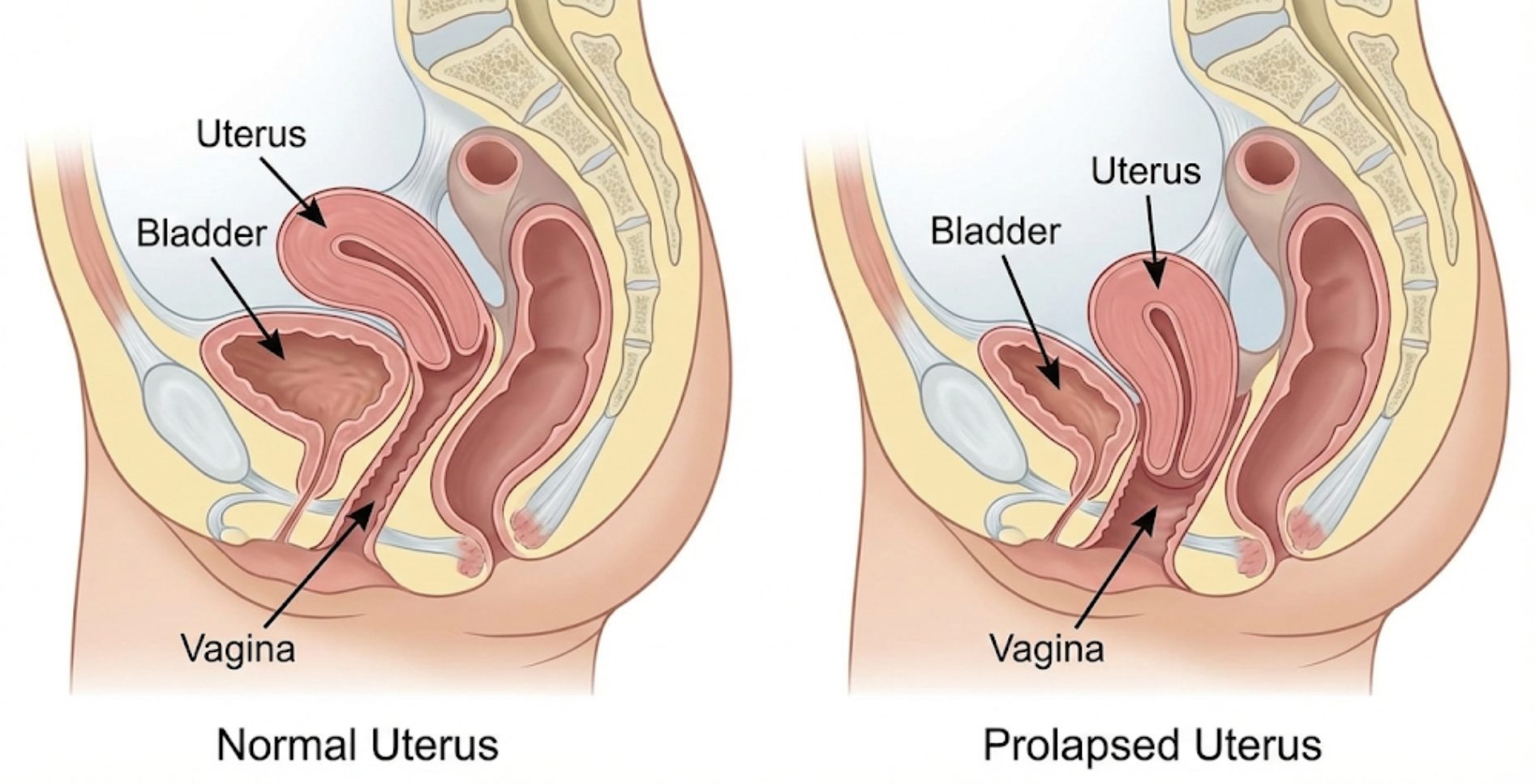
This condition can affect women of any age, though it is significantly more prevalent in postmenopausal women who have had one or more vaginal deliveries. The severity of the prolapse can range from mild (where the uterus drops slightly) to severe (where the uterus protrudes significantly outside the vaginal opening).
In mild cases, uterine prolapse may not present any noticeable symptoms. However, as the condition progresses, the physical sensations can become hard to ignore. Symptoms often worsen as the day goes on or after long periods of standing.
Common signs and symptoms include:
Because the pelvic organs are closely packed together, the displacement of the uterus often affects the bladder and bowel. You might experience:
Uterine prolapse is fundamentally caused by the weakening of pelvic muscles and supportive tissues. Several factors contribute to this structural failure.
The most significant risk factor is pregnancy and childbirth. The weight of the baby during pregnancy and the strain of vaginal delivery can stretch and damage the pelvic floor nerves and tissues. Women who have had multiple vaginal births, large babies, or difficult labors are at higher risk.
As women age, the production of estrogen decreases naturally, particularly during and after menopause. Estrogen plays a vital role in maintaining the strength and elasticity of collagen, the connective tissue that supports the pelvic organs. Lower estrogen levels lead to weaker pelvic tissues.
Any activity or condition that puts repeated pressure on the abdomen can strain the pelvic floor over time. This includes:
Diagnosing uterine prolapse is typically straightforward and involves a pelvic examination. During the exam, your doctor will likely ask you to bear down as if having a bowel movement to see how far the uterus has descended. They may also ask you to tighten your pelvic muscles to assess their strength. In some cases, questionnaires regarding urinary function and quality of life help the doctor understand the impact of the condition on your daily routine.
The treatment for uterine prolapse depends on the severity of the condition and how much it bothers you. If you have a mild prolapse with no symptoms, medical treatment might not be necessary immediately, but lifestyle changes are recommended to prevent worsening.
For mild to moderate cases, or for women who wish to avoid surgery, several effective options exist:
If the prolapse is severe or non-surgical methods fail to provide relief, surgery may be recommended. Options include:
While you cannot control genetic factors or the natural aging process, you can take steps to protect your pelvic floor:
Uterine prolapse is not a condition you have to live with in silence. It is a mechanical issue with effective medical solutions. If you are experiencing symptoms like pelvic pressure, tissue protrusion, or urinary difficulties, consult your healthcare provider. With the right combination of lifestyle changes, therapies, or medical interventions, you can restore your comfort and return to an active, worry-free life.
What is Uterine Prolapse?
Recognizing the Symptoms
- Sensation of Heaviness: Many women describe a feeling of heaviness or pulling in the pelvis.
- Tissue Protrusion: Seeing or feeling tissue bulging out of the vagina is a hallmark symptom of more advanced prolapse.
- The “Ball” Sensation: A distinct feeling as if you are sitting on a small ball.
- Sexual Discomfort: Sensations of looseness in the vaginal tissue or pain during intercourse.
- Lower Back Pain: A dull ache in the lower back that may subside when lying down.
Urinary and Bowel Complications
- Urinary Incontinence: Leakage of urine when coughing, sneezing, or laughing (stress incontinence).
- Retention: Difficulty emptying the bladder completely, which can increase the risk of urinary tract infections.
- Bowel Movement Issues: Constipation or difficulty passing a bowel movement without applying pressure to the vagina (splinting).
The Primary Causes and Risk Factors
Pregnancy and Childbirth
Aging and Menopause
Chronic Intra-abdominal Pressure
- Obesity: Excess weight puts continuous strain on pelvic muscles.
- Chronic Coughing: Conditions like bronchitis or smoker’s cough create repeated downward pressure.
- Chronic Constipation: Straining during bowel movements is a major contributor to prolapse.
- Heavy Lifting: Jobs or exercises that involve repeated heavy lifting can accelerate muscle weakening.
Diagnosis
Treatment Options: From Self-Care to Surgery
Non-Surgical Approaches
- Kegel Exercises: These are targeted exercises designed to strengthen the pelvic floor muscles. By regularly tightening and relaxing these muscles, you can reinforce the “hammock” supporting the uterus. While Kegels may not reverse severe prolapse, they can prevent mild cases from worsening and alleviate symptoms.
- Vaginal Pessary: A pessary is a plastic or rubber ring inserted into the vagina to support the bulging tissues. It works somewhat like a structural prop. Pessaries come in various shapes and sizes and must be fitted by a healthcare provider. They can be a permanent solution or a temporary measure while deferring surgery.
- Estrogen Therapy: For postmenopausal women, using vaginal estrogen (cream, ring, or tablet) can help restore some vitality and strength to the vaginal tissues, although it does not fix the structural prolapse itself.
Surgical Interventions
- Tissue Repair: This involves grafting your own tissue, donor tissue, or synthetic material onto weakened pelvic floor structures to support the pelvic organs. This is often done through the vagina but can be laparoscopic.
- Hysterectomy: In severe cases, the uterus itself may be removed. While this corrects the uterine prolapse, surgeons must also address the vaginal vault to prevent it from prolapsing in the future.
Prevention and Lifestyle Management
- Maintain a Healthy Weight: Reducing excess body weight reduces the load on your pelvic floor.
- Treat Constipation: Eat a high-fiber diet and drink plenty of fluids to ensure soft stools and avoid straining.
- Practice Proper Lifting: Avoid lifting heavy objects, and when you must, lift with your legs, not your waist or back.
- Quit Smoking: Eliminating the chronic “smoker’s cough” can significantly reduce pelvic pressure.
Conclusion

Overcoming the Breastfeeding Challenge: Solutions for Common Struggles
Breastfeeding is often described as one of the most natural things in the world. While this is true, describing it as "natural" can sometimes obscure the fact that it is also a learned skill—both for the mother and the baby. For many new parents, the journey is filled with tender moments of connection, but it can also present a significant breastfeeding challenge that tests their patience and resilience.
According to global health organizations, breast milk provides the optimal nutrition for infants. However, the pressure to breastfeed exclusively can be overwhelming when things don’t go according to plan. Whether you are in the first few days postpartum or navigating a sleep regression months down the line, encountering obstacles is normal. The good news is that most of these hurdles are temporary and solvable with the right knowledge and support.
Drawing on expert guidance, including insights from UNICEF, we have compiled a comprehensive guide to navigating the five most common breastfeeding problems. If you are feeling discouraged, take a deep breath; you are not alone, and there are solutions available.
1. The Challenge of Sore and Cracked Nipples
One of the most immediate hurdles new mothers face is nipple pain. While some tenderness is common in the first few days as your nipples adjust, breastfeeding should not be excruciatingly painful. If you are curling your toes every time your baby latches, it is usually a sign that something needs adjustment.
The Root Cause: Attachment
In the vast majority of cases, sore or cracked nipples are caused by a poor latch (attachment). If the baby is sucking on the nipple alone rather than taking a large mouthful of breast tissue, it causes friction and damage.
How to Fix It
- Check the Position: Ensure your baby’s mouth is wide open before they latch. Their chin should be touching your breast, and their nose should be clear. You want the nipple to go deep into the roof of their mouth.
- Break the Suction: If it hurts, do not just pull the baby off. Gently insert your clean pinky finger into the corner of the baby’s mouth to break the suction before trying again.
- Aftercare: After feeding, you can rub a little breast milk on your nipples and let them air dry. Breast milk has natural healing properties. Avoid using harsh soaps or scrubbing the area, as this can dry out the skin further.
2. Worries About Low Milk Supply
Perhaps the most anxiety-inducing breastfeeding challenge is the fear that you are not producing enough milk. This is one of the top reasons mothers stop breastfeeding earlier than they intended. However, perception often differs from reality.
Understanding Supply and Demand
Breast milk production works on a supply and demand basis. The more the baby feeds, the more milk your body makes. In the early days, it is normal for a baby to feed very frequently (cluster feeding). This does not necessarily mean they are starving; they are signaling your body to ramp up production.
Signs Your Baby is Getting Enough
Instead of focusing on how full your breasts feel, look at the baby:
- Diaper Output: A well-fed baby will have plenty of wet and dirty diapers (usually at least 6 heavy wet diapers a day after the first week).
- Weight Gain: Your pediatrician will track the baby’s growth curve. Consistent weight gain is the best indicator of supply.
- Alertness: Is the baby active and alert when awake?
If you are truly concerned about supply, continue to feed on demand and consult a lactation consultant before supplementing with formula, as supplementation can interrupt the supply-demand loop.
3. Dealing with Engorgement
When your milk "comes in" (usually days 2-5 postpartum), your breasts may become hard, swollen, and uncomfortable. This is known as engorgement. It can make it difficult for the baby to latch because the breast tissue is so taut.
Relief Strategies
To manage this breastfeeding challenge, the goal is to keep the milk flowing without overstimulating production excessively.
- Feed Frequently: Do not skip feedings. Emptying the breast is the primary way to relieve pressure.
- Hand Expression: If the breast is too hard for the baby to latch, gently hand express a small amount of milk to soften the areola before offering the breast.
- Cold Compresses: Applying a cold compress or chilled cabbage leaves (a traditional remedy supported by some anecdotal evidence) between feeds can help reduce swelling and inflammation.
4. Blocked Milk Ducts
A blocked duct feels like a small, tender lump in the breast. It occurs when milk is not draining completely from a specific area. If left untreated, a blocked duct can lead to mastitis, so it is important to address it immediately.
Clearing the Blockage
- Heat and Massage: Apply a warm compress to the affected area before feeding. While the baby is nursing, gently massage the lump toward the nipple to help move the milk.
- Positioning: Try changing breastfeeding positions. Pointing the baby’s chin toward the lump can help drain that specific area of the breast more effectively.
- Loose Clothing: Ensure your bra is not too tight, as external pressure can contribute to blocked ducts.
5. Mastitis: When to See a Doctor
If a blocked duct is not cleared, or if bacteria enters the breast tissue through a cracked nipple, it can lead to mastitis—an inflammation of the breast that may involve an infection.
Recognizing the Symptoms
Mastitis often feels like the flu. Symptoms include:
- A red, hot, and painful area on the breast.
- Fever and chills.
- General fatigue and body aches.
Treatment
If you suspect mastitis, it is crucial to see a healthcare provider. While you may need antibiotics, it is generally safe and recommended to continue breastfeeding from the affected side to keep the milk flowing. Sudden weaning during mastitis can make the infection worse by causing milk stasis. Rest and hydration are also vital for recovery.
Emotional Resilience and Support
Beyond the physical mechanics, the mental aspect of the breastfeeding challenge is significant. Sleep deprivation combined with hormonal shifts can make even small problems feel insurmountable.
It is essential to build a support village. This might include a partner who handles diaper changes and burping, a friend who brings meals, or a professional lactation consultant who can offer hands-on help. Remember, asking for help is not a sign of weakness; it is a strategy for success.
Conclusion
Every mother’s journey is unique. Whether you breastfeed for two days, two months, or two years, your effort matters. By understanding these common issues—sore nipples, low supply concerns, engorgement, blocked ducts, and mastitis—you are better equipped to handle them if they arise.
If you are currently in the thick of a breastfeeding challenge, take it one feed at a time. Trust your body, watch your baby, and reach out to healthcare professionals like those at UNICEF or local lactation experts whenever you need guidance. You are doing a remarkable job.

The Best Positions for Breastfeeding: A Comprehensive Guide for Comfort and Latch
Breastfeeding is often described as one of the most natural things in the world. However, for many new mothers, it can feel anything but natural in the beginning. It is a learned skill that takes practice, patience, and a bit of experimentation for both you and your baby. One of the most critical factors in establishing a successful breastfeeding journey is finding the best position for breastfeeding that works for your unique anatomy and your baby’s needs.
While there is no single "perfect" way to nurse, understanding the variety of positions available can make a world of difference in preventing sore nipples, ensuring a deep latch, and making feeding time a relaxing bonding experience. Whether you are recovering from a C-section, nursing twins, or simply trying to get comfortable, this guide explores the most effective breastfeeding positions recommended by experts.
Why Positioning Matters
Before diving into the specific holds, it is important to understand why positioning is so crucial. A good position supports effective latching, which is the key to transferring milk efficiently and preventing pain. If a mother is uncomfortable, her muscles tense up, which can inhibit the let-down reflex. Similarly, if a baby feels unstable, they may clamp down on the nipple or struggle to swallow.
Regardless of the position you choose, keep these universal tips in mind:
- Bring the baby to the breast, not the breast to the baby. Hunching over can cause back pain and shallow latches.
- Alignment is key. The baby’s head, shoulders, and hips should be in a straight line. They should not have to turn their head to reach the nipple.
- Nose to nipple. Start with the baby’s nose opposite your nipple to encourage them to tilt their head back and open their mouth wide.
1. Laid-Back Breastfeeding (Biological Nurturing)
Often considered the best starting point for newborns, laid-back breastfeeding taps into the baby’s natural instincts. This position allows gravity to help keep the baby in place, rather than you having to support their weight entirely with your arms.
How to do it:
Find a comfortable bed or couch and lean back in a semi-reclined position. Make sure your back and head are well-supported with pillows. Place your baby tummy-to-tummy on your chest. Gravity keeps the baby secure, allowing them to use their innate reflexes to scoot up, root, and latch onto the breast.
Why try this? It is excellent for the early days when you are tired or recovering from birth. It also helps babies who struggle to latch in more upright positions.
2. The Cradle Hold
This is the classic position most people imagine when they think of breastfeeding. While it is popular, it requires good head control from the baby or careful support from the mother, so it may be easier once the baby is a few weeks old.
How to do it:
Sit upright in a comfortable chair with armrests. Hold your baby across your lap, tummy-to-tummy. The baby’s head should rest in the crook of your elbow on the side you are nursing from. Use your forearm to support their back and your hand to support their bottom.
Pro Tip: Use a nursing pillow or cushion to raise the baby to nipple height so you don’t have to lean forward or lift your arm too high, which can cause shoulder strain.
3. The Cross-Cradle Hold
The cross-cradle hold is very similar to the cradle hold but offers more control over the baby’s head. This makes it one of the best positions for breastfeeding newborns or babies who have difficulty latching.
How to do it:
Sit upright. If you are nursing on the left breast, use your right arm to hold the baby. Support the baby’s body with your forearm and hold the base of their head (below the ears) with your hand. Use your left hand to shape your breast. This gives you maximum visibility and control to guide the baby’s mouth to the nipple.
4. The Underarm (Rugby Ball or Clutch) Hold
As the name suggests, you hold the baby under your arm like a rugby ball or a handbag. This position is a favorite for mothers who have had a Caesarean section because it keeps the baby away from the incision site.
How to do it:
Sit with a pillow at your side. Tuck the baby under your arm on the side you are nursing from. Their hips should be near your hip, and their legs should extend behind you. Support the baby’s neck and shoulders with your hand and their upper back with your forearm. Guide them to the nipple, ensuring their nose is level with it.
Why try this? Aside from C-section recovery, this hold is fantastic for women with larger breasts or for nursing twins in tandem.
5. Side-Lying Position
For night feeds or mothers who need extra rest, the side-lying position is a lifesaver. It allows you to nurse while lying down, maximizing rest for both you and the baby.
How to do it:
Lie on your side on a bed, facing your baby. Your baby should also be on their side, facing you, tummy-to-tummy. You can place a pillow behind your back for support and perhaps a small rolled-up towel behind the baby to keep them from rolling away. Align the baby’s mouth with your nipple. You may need to lift your breast slightly with your hand to help them latch initially.
Safety Note: Ensure the sleeping surface is firm and flat, and remove excess bedding around the baby to follow safe sleep guidelines.
6. The Koala Hold (Upright Breastfeeding)
In this position, the baby straddles your thigh or sits on your hip while feeding. It is an older baby favorite but can be done with newborns if plenty of support is provided.
How to do it:
Sit the baby on your thigh, facing you. Support their back and head with one hand while offering the breast with the other. This is essentially a vertical version of the cradle hold.
Why try this? This is often the best position for babies suffering from reflux or ear infections, as the upright angle helps keep milk down and reduces pressure in the ears.
Troubleshooting Your Position
Even with the right position, challenges can arise. If you experience pain, unlatch the baby gently by inserting a clean finger into the corner of their mouth to break the suction and try again. Look for signs of effective feeding, such as rhythmic sucking, swallowing sounds, and the baby appearing satisfied after the feed.
Remember, the "best" position is simply the one that works for you and your baby at that moment. As your baby grows and gains head control, your preferred positions will likely change. Don’t hesitate to use pillows, footstools, and armrests to build a comfortable nest for yourself.
If you continue to struggle with positioning or latching, consult a lactation consultant or a healthcare provider. Organizations like UNICEF provide excellent resources and visual guides to help parents navigate these early challenges. Breastfeeding is a journey, and finding your groove takes time—be patient with yourself and your little one.
语言
-
 简体中文
简体中文
