Private Part Smell: How Your Diet Affects Taste and Odor Down There
When it comes to intimacy and personal hygiene, we often focus on soaps, washes, and grooming habits. However, one of the most significant factors influencing your body’s natural scent and taste comes from within. The age-old adage “you are what you eat” applies surprisingly well to your bodily fluids. Your diet plays a pivotal role in regulating your body’s pH balance, which directly impacts private part smell and taste.
The Connection Between Diet and Body Chemistry
Your body is a complex chemical laboratory. Everything you ingest is broken down and processed, and the byproducts of this metabolism are excreted through sweat, urine, and other bodily fluids. Because mucous membranes are highly permeable, the foods that are potent enough to change the smell of your breath or urine are often potent enough to alter the scent and taste of your reproductive fluids.
While every individual has a unique natural scent, certain food groups can intensify odors or sweeten the taste. Understanding which foods do what can help you feel more confident and fresh during intimate moments.
Foods That May Negatively Impact Smell and Taste
If you are noticing a stronger or more pungent odor than usual, your last few meals might be the culprit. Here are some common foods that are known to negatively affect bodily scents.
Red Meat
While a steak dinner might sound romantic, it may not be the best choice right before intimacy. Red meat is chemically complex and can be difficult for the body to digest. It often leaves behind a residue that can make bodily fluids taste salty and smell stronger. The high protein content and specific enzymes required to break down red meat can result in a heavier, muskier scent released through the pores and fluids.
Dairy Products
Dairy is another culprit that can throw off your natural balance. For many people, dairy products like cheese, milk, and cream can increase mucus production. In terms of taste and smell, excessive dairy consumption has been colloquially associated with a “curdled” or more acidic profile in bodily fluids. If you are sensitive to lactose, the digestive upset can further contribute to unpleasant body odors.
Strong Spices, Garlic, and Onions
It is well known that garlic and onions cause bad breath, but their sulfur-containing compounds don’t stop there. These compounds are absorbed into the bloodstream and expelled through the lungs and pores. Consequently, they can impart a strong, distinct odor to vaginal fluids and semen. Similarly, strong spices like curry can linger in the body’s secretions for hours or even days after consumption.
Asparagus
Asparagus is famous for causing a distinct, pungent odor in urine shortly after eating it. This is due to the breakdown of asparagusic acid. While the effect is most noticeable in urine, the chemical compounds can also slightly alter the pH and scent of other fluids in the pelvic region.
Caffeine and Alcohol
Both coffee and alcohol are diuretics, meaning they dehydrate the body. Dehydration concentrates bodily fluids, making any natural taste or smell much more potent and often bitter. Alcohol, in particular, can create an acidic environment in the body, which is not ideal for maintaining a fresh scent.
Foods That Improve Taste and Smell
Just as some foods can make things worse, others act as natural deodorizers and sweeteners. Incorporating these into your diet can lead to a milder, sweeter, and more pleasant experience.
Pineapple and Citrus Fruits
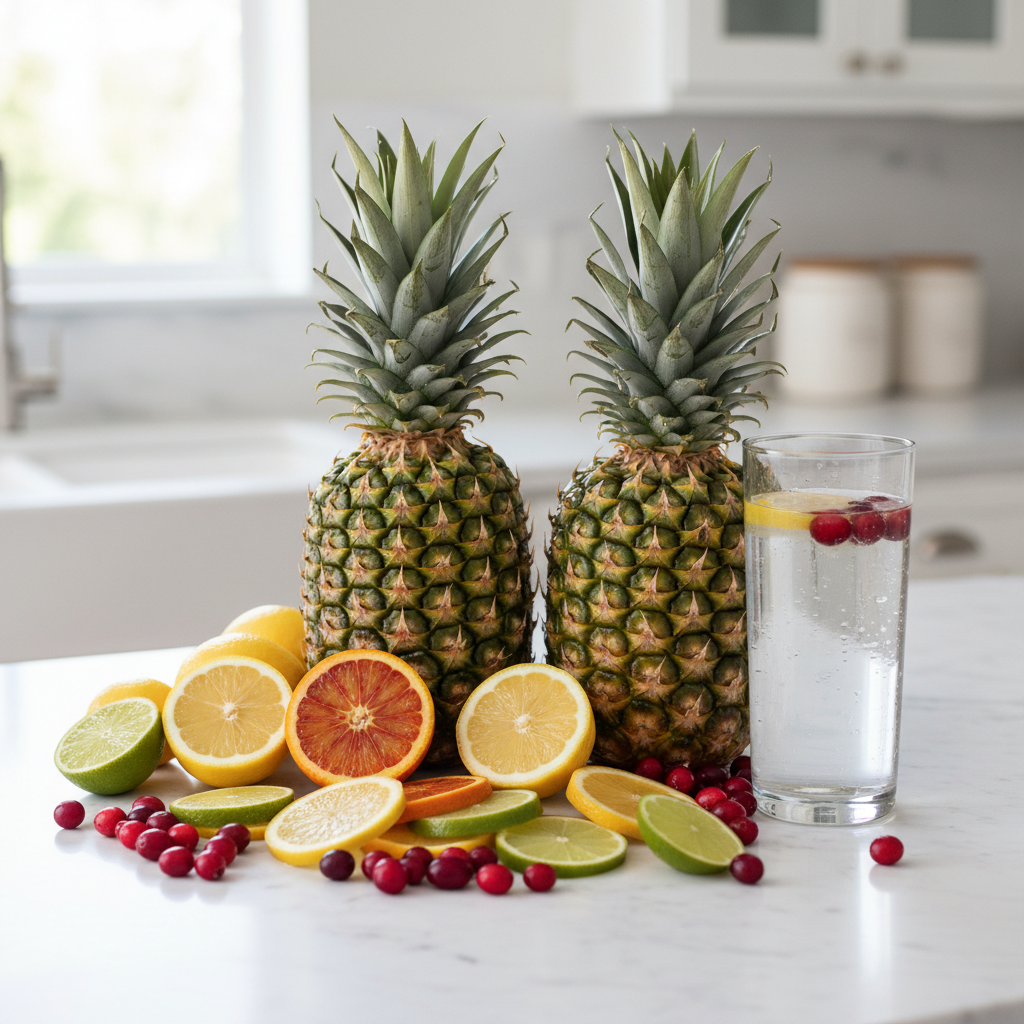
Pineapple is perhaps the most famous food recommended for improving the taste of private parts. It is rich in natural sugars and enzymes that can sweeten bodily fluids. Similarly, citrus fruits like oranges, lemons, and grapefruits are high in Vitamin C and antioxidants. These help the body flush out toxins and maintain a healthy, balanced pH level, leading to a fresher scent.
Cranberries
Cranberry juice is widely recognized for supporting urinary tract health, but it also helps balance pH levels in the body. By fighting off harmful bacteria and increasing acidity in the urine (which prevents bacterial growth), cranberries can help maintain a clean and neutral scent.
Water and High-Water Content Vegetables
The ultimate solution to pollution is dilution. Drinking plenty of water is the single most effective way to improve private part smell. Hydration dilutes the compounds in your sweat and fluids, making them milder. Vegetables with high water content, such as celery and parsley, also help. Parsley, in particular, contains chlorophyll, which acts as a natural internal deodorizer.
Cinnamon and Peppermint
Spices aren’t all bad. Sweet spices like cinnamon and fresh herbs like peppermint can improve the flavor profile of bodily fluids. Unlike heavy savory spices, these tend to leave a milder, sweeter, or fresher trace.
Conclusion
While hygiene is essential, your diet is a powerful tool in managing private part smell. You don’t need to completely eliminate foods you love, but being mindful of your intake before intimacy can make a difference. Moderating red meat, dairy, and alcohol while increasing your intake of water, fruits, and vegetables can boost your confidence and improve your body’s natural chemistry.
Language
-
 English (US)
