
Uterine Prolapse Explained: Symptoms, Causes, and Effective Treatments
For many women, pelvic health is a topic often shrouded in silence, yet conditions affecting the pelvic floor are incredibly common. One such condition, uterine prolapse, affects millions of women worldwide, impacting their daily comfort, activity levels, and overall quality of life. While the sensation of pelvic pressure or tissue protrusion can be alarming, it is a treatable condition. Understanding the anatomy, causes, and available solutions is the first step toward reclaiming your confidence and comfort.

Uterine prolapse occurs when the pelvic floor muscles and ligaments stretch and weaken, providing inadequate support for the uterus. The uterus then slips down into or protrudes out of the vagina. To visualize this, think of your pelvic floor muscles as a hammock that holds your pelvic organs—the uterus, bladder, and bowel—in place. When this hammock loses its elasticity or strength, it can no longer suspend these organs effectively.
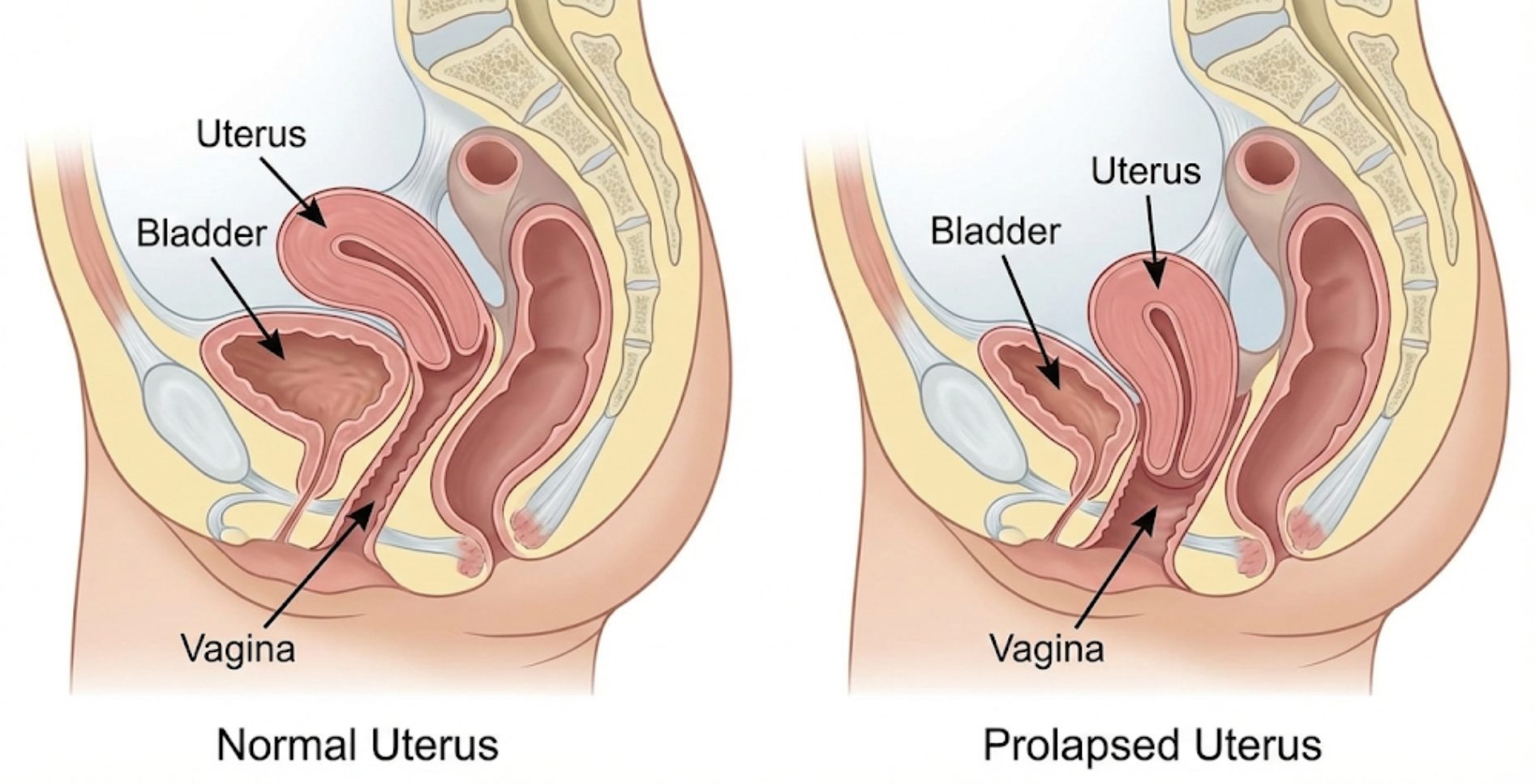
This condition can affect women of any age, though it is significantly more prevalent in postmenopausal women who have had one or more vaginal deliveries. The severity of the prolapse can range from mild (where the uterus drops slightly) to severe (where the uterus protrudes significantly outside the vaginal opening).
In mild cases, uterine prolapse may not present any noticeable symptoms. However, as the condition progresses, the physical sensations can become hard to ignore. Symptoms often worsen as the day goes on or after long periods of standing.
Common signs and symptoms include:
Because the pelvic organs are closely packed together, the displacement of the uterus often affects the bladder and bowel. You might experience:
Uterine prolapse is fundamentally caused by the weakening of pelvic muscles and supportive tissues. Several factors contribute to this structural failure.
The most significant risk factor is pregnancy and childbirth. The weight of the baby during pregnancy and the strain of vaginal delivery can stretch and damage the pelvic floor nerves and tissues. Women who have had multiple vaginal births, large babies, or difficult labors are at higher risk.
As women age, the production of estrogen decreases naturally, particularly during and after menopause. Estrogen plays a vital role in maintaining the strength and elasticity of collagen, the connective tissue that supports the pelvic organs. Lower estrogen levels lead to weaker pelvic tissues.
Any activity or condition that puts repeated pressure on the abdomen can strain the pelvic floor over time. This includes:
Diagnosing uterine prolapse is typically straightforward and involves a pelvic examination. During the exam, your doctor will likely ask you to bear down as if having a bowel movement to see how far the uterus has descended. They may also ask you to tighten your pelvic muscles to assess their strength. In some cases, questionnaires regarding urinary function and quality of life help the doctor understand the impact of the condition on your daily routine.
The treatment for uterine prolapse depends on the severity of the condition and how much it bothers you. If you have a mild prolapse with no symptoms, medical treatment might not be necessary immediately, but lifestyle changes are recommended to prevent worsening.
For mild to moderate cases, or for women who wish to avoid surgery, several effective options exist:
If the prolapse is severe or non-surgical methods fail to provide relief, surgery may be recommended. Options include:
While you cannot control genetic factors or the natural aging process, you can take steps to protect your pelvic floor:
Uterine prolapse is not a condition you have to live with in silence. It is a mechanical issue with effective medical solutions. If you are experiencing symptoms like pelvic pressure, tissue protrusion, or urinary difficulties, consult your healthcare provider. With the right combination of lifestyle changes, therapies, or medical interventions, you can restore your comfort and return to an active, worry-free life.
What is Uterine Prolapse?
Recognizing the Symptoms
- Sensation of Heaviness: Many women describe a feeling of heaviness or pulling in the pelvis.
- Tissue Protrusion: Seeing or feeling tissue bulging out of the vagina is a hallmark symptom of more advanced prolapse.
- The “Ball” Sensation: A distinct feeling as if you are sitting on a small ball.
- Sexual Discomfort: Sensations of looseness in the vaginal tissue or pain during intercourse.
- Lower Back Pain: A dull ache in the lower back that may subside when lying down.
Urinary and Bowel Complications
- Urinary Incontinence: Leakage of urine when coughing, sneezing, or laughing (stress incontinence).
- Retention: Difficulty emptying the bladder completely, which can increase the risk of urinary tract infections.
- Bowel Movement Issues: Constipation or difficulty passing a bowel movement without applying pressure to the vagina (splinting).
The Primary Causes and Risk Factors
Pregnancy and Childbirth
Aging and Menopause
Chronic Intra-abdominal Pressure
- Obesity: Excess weight puts continuous strain on pelvic muscles.
- Chronic Coughing: Conditions like bronchitis or smoker’s cough create repeated downward pressure.
- Chronic Constipation: Straining during bowel movements is a major contributor to prolapse.
- Heavy Lifting: Jobs or exercises that involve repeated heavy lifting can accelerate muscle weakening.
Diagnosis
Treatment Options: From Self-Care to Surgery
Non-Surgical Approaches
- Kegel Exercises: These are targeted exercises designed to strengthen the pelvic floor muscles. By regularly tightening and relaxing these muscles, you can reinforce the “hammock” supporting the uterus. While Kegels may not reverse severe prolapse, they can prevent mild cases from worsening and alleviate symptoms.
- Vaginal Pessary: A pessary is a plastic or rubber ring inserted into the vagina to support the bulging tissues. It works somewhat like a structural prop. Pessaries come in various shapes and sizes and must be fitted by a healthcare provider. They can be a permanent solution or a temporary measure while deferring surgery.
- Estrogen Therapy: For postmenopausal women, using vaginal estrogen (cream, ring, or tablet) can help restore some vitality and strength to the vaginal tissues, although it does not fix the structural prolapse itself.
Surgical Interventions
- Tissue Repair: This involves grafting your own tissue, donor tissue, or synthetic material onto weakened pelvic floor structures to support the pelvic organs. This is often done through the vagina but can be laparoscopic.
- Hysterectomy: In severe cases, the uterus itself may be removed. While this corrects the uterine prolapse, surgeons must also address the vaginal vault to prevent it from prolapsing in the future.
Prevention and Lifestyle Management
- Maintain a Healthy Weight: Reducing excess body weight reduces the load on your pelvic floor.
- Treat Constipation: Eat a high-fiber diet and drink plenty of fluids to ensure soft stools and avoid straining.
- Practice Proper Lifting: Avoid lifting heavy objects, and when you must, lift with your legs, not your waist or back.
- Quit Smoking: Eliminating the chronic “smoker’s cough” can significantly reduce pelvic pressure.
Conclusion
Language
-
 English (US)
