
Essential Guide to Recovery and Confinement After a Miscarriage
Experiencing a miscarriage is one of the most challenging events a woman can go through. It is a profound loss that affects not only the emotional state but also takes a significant physical toll on the body. While society often focuses on the emotional grief associated with pregnancy loss, the physical recovery process is equally critical. Just as with a full-term delivery, the body requires a dedicated period of rest, often referred to in various cultures as “confinement,” to heal properly.
Understanding the Physical Toll of Miscarriage
Regardless of when the miscarriage occurs during the pregnancy, the body undergoes substantial hormonal and physiological changes. Following the loss, the uterus must contract back to its pre-pregnancy size, a process that can involve cramping and bleeding similar to a heavy period. This is the body’s natural way of healing, but it requires energy and resources.
During this time, your hormone levels—specifically estrogen and progesterone—drop rapidly. This chemical shift can exacerbate feelings of sadness and fatigue. Understanding that these physical symptoms are a normal part of the recovery process can help you be kinder to yourself during this difficult time.
The Importance of a “Confinement” Period
In many Asian cultures, the concept of “berpantang” or confinement is strictly observed after childbirth. However, health experts increasingly advocate for a modified version of this rest period following a miscarriage as well. Treating the post-miscarriage period with the same seriousness as postpartum recovery is essential for long-term health.
Rest and Activity Restrictions
The primary goal of confinement after a miscarriage is to allow the reproductive organs to heal. Medical professionals generally recommend the following:
- Avoid Heavy Lifting: Straining the abdominal muscles can interfere with the healing of the uterus. Avoid lifting heavy objects, including other children, for at least two weeks.
- Prioritize Sleep: Your body repairs itself while you sleep. Fatigue is common as your blood volume readjusts, so listen to your body and nap when needed.
- Pelvic Rest: To prevent infection, doctors typically advise avoiding sexual intercourse, tampons, and douching until the bleeding has completely stopped and the cervix has closed. This usually takes about two weeks, but you should consult your healthcare provider for a specific timeline.
Nutritional Support for Healing
Diet plays a pivotal role in how quickly you recover physically. During the confinement period, your body needs to replenish lost nutrients, particularly iron and vitamins.
- Iron-Rich Foods: Blood loss during a miscarriage can lead to anemia or low energy. Incorporate red meat, spinach, beans, and lentils into your diet to boost iron levels.
- Vitamin C: To help your body absorb iron effectively, pair iron-rich foods with sources of Vitamin C, such as oranges, strawberries, and bell peppers.
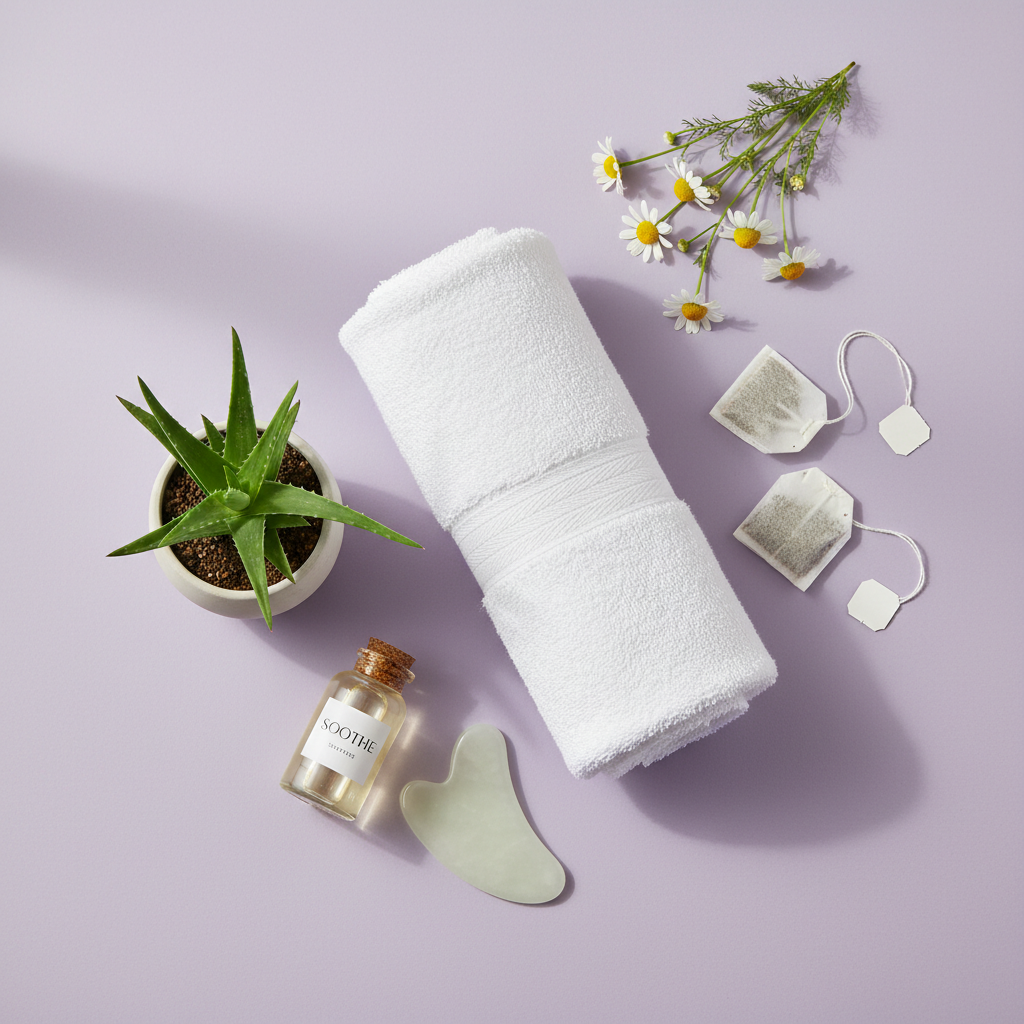
- Hydration: Drinking plenty of water is crucial for hormonal balance and general recovery. Warm fluids, such as soups and herbal teas, are often recommended in traditional confinement practices to maintain body warmth and improve circulation.
- Avoid “Cold” Foods: Drawing from traditional wellness advice, many women find comfort in avoiding foods considered “cooling” to the body, such as iced drinks or certain raw vegetables, to prevent bloating and discomfort during the healing phase.
Navigating Emotional Grief
Healing is not just physical; it is deeply emotional. The sudden end of a pregnancy can bring about a complex mix of shock, guilt, anger, and profound sadness. It is important to acknowledge that grief has no set timeline.
Communication with your partner is vital. They are also grieving, though perhaps in a different way. creating a space where both of you can express your feelings without judgment can strengthen your bond. Additionally, seeking support from counselors or support groups specializing in pregnancy loss can provide a safe environment to process these emotions.
When to Seek Medical Attention
While some pain and bleeding are normal, it is crucial to monitor your recovery for signs of complications. You should contact your doctor immediately if you experience:
- Heavy Bleeding: Soaking through more than two maxi pads in an hour for two consecutive hours.
- Signs of Infection: Fevers, chills, or foul-smelling vaginal discharge.
- Severe Pain: Abdominal pain that is not relieved by prescribed pain medication or standard over-the-counter pain relievers.
Recovery takes time. Whether you call it confinement or simply a recovery period, giving yourself permission to rest is the single most important step you can take. By nourishing your body and honoring your emotions, you pave the way for healing and future well-being.
10 Common Reasons for an Itchy Vagina (And How to Stop the Itch)
There are few things more uncomfortable—or inconvenient—than an itchy vagina. It is the kind of nagging sensation that can distract you during a meeting, ruin a date, or keep you awake at night. While the immediate urge is to scratch, most women hesitate, knowing that scratching delicate tissue usually makes matters worse. Furthermore, the panic often sets in: Is it an infection? Is it something serious?
The first assumption many women make is that they have a yeast infection. While yeast is a very common culprit, it is far from the only reason you might be experiencing irritation “down there.” In fact, treating yourself for a yeast infection when you actually have a bacterial issue or a skin condition can delay proper healing and potentially exacerbate the problem.
Understanding the root cause of the itch is the first step toward relief. Below, we explore ten common reasons why your vagina (or more accurately, your vulva) might be itching, based on expert medical insights, and what you can do to stop the irritation.
1. Bacterial Vaginosis (BV)
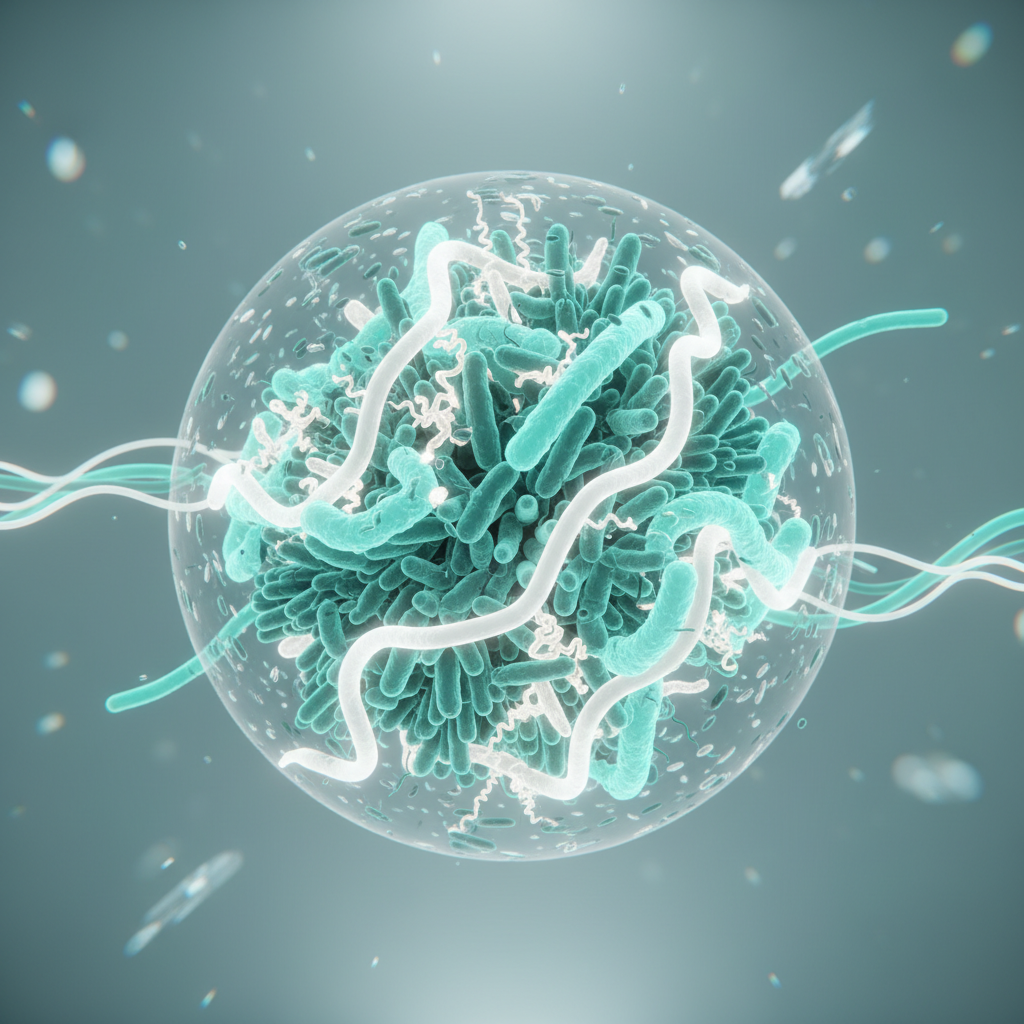
Bacterial Vaginosis is actually the most common vaginal infection in women between the ages of 15 and 44. It occurs when the delicate balance of bacteria in the vagina is disrupted, allowing “bad” bacteria to outnumber the “good” lactobacilli. While itching is a symptom, the hallmark sign of BV is usually a thin, greyish-white discharge accompanied by a distinct, fishy odor.
How to handle it: Unlike a yeast infection, BV cannot be treated with over-the-counter creams. You will need to see a doctor for a prescription antibiotic, either in pill or gel form. Ignoring BV can increase your risk of contracting STIs, so medical attention is necessary.
2. Yeast Infections
While not the only cause, yeast infections are undeniably a major player in vaginal itching. These occur when there is an overgrowth of the fungus Candida. The itching associated with a yeast infection is often intense and internal as well as external. You may also notice a thick, white, clumpy discharge that resembles cottage cheese.
How to handle it: If you have had one before and recognize the symptoms, over-the-counter antifungal creams or suppositories are often effective. However, if this is your first time or the OTC medication doesn’t work, visit your gynecologist to rule out other strains of yeast or different infections.
3. Contact Dermatitis
Your vulva is covered in skin, and just like the skin on your face or arms, it can have an allergic reaction to irritants. This is known as contact dermatitis. If you have recently changed laundry detergents, started using a new body wash, or switched brands of toilet paper (especially scented ones), your skin might be protesting.
How to handle it: The solution here is elimination. Stop using scented soaps, bubble baths, and feminine hygiene sprays. Switch to hypoallergenic laundry detergent and avoid fabric softeners on your underwear. If the itch persists, a doctor might recommend a low-potency hydrocortisone cream to calm the inflammation.
4. Eczema or Psoriasis
If you suffer from skin conditions like eczema or psoriasis on other parts of your body, you can unfortunately develop them on your vulva as well. Eczema can manifest as red, itchy, and inflamed skin, while psoriasis often presents as thick, scaly red patches.
How to handle it: Because the skin in the genital area is thinner and more sensitive than elsewhere, you should not use the same strong prescription creams you might use on your elbows or knees. Consult a dermatologist or gynecologist for a treatment plan tailored to sensitive areas, which may include mild steroids or sitz baths.
5. Sexually Transmitted Infections (STIs)
Several STIs lists itching as a primary symptom. While the thought is frightening, identifying the issue is crucial for your health.
- Trichomoniasis: Caused by a parasite, this very common STI often causes itching, burning, and a frothy, yellow-green discharge with a foul smell.
- Herpes: Genital herpes often begins with tingling or itching before the appearance of painful blisters or sores.
- Pubic Lice (Crabs): Though less common today due to grooming habits, these parasites cause intense itching in the pubic hair region.
How to handle it: If you suspect an STI, get tested immediately. Treatments vary from antibiotics for Trichomoniasis to antiviral medications for Herpes management.

6. Hormonal Changes
Your hormones play a significant role in vaginal health. When estrogen levels drop—typically during menopause, perimenopause, or while breastfeeding—the vaginal wall can become thinner and drier. This condition, known as vaginal atrophy, often leads to itching and discomfort, particularly during sex.
How to handle it: Over-the-counter vaginal moisturizers and water-based lubricants can help with dryness. For more persistent cases, a doctor may prescribe a topical estrogen cream or a vaginal ring to restore moisture and elasticity.
7. Lichen Sclerosus
This is a chronic skin condition that is less common but serious. It causes patchy, white skin on the vulva that appears thinner than normal. It is most often seen in postmenopausal women but can affect anyone. The itching can be severe and may lead to scarring if left untreated.
How to handle it: Lichen Sclerosus requires a diagnosis from a medical professional, often confirmed by a biopsy. Treatment usually involves high-potency prescription steroid creams to reduce inflammation and prevent scarring.
8. Shaving and Grooming Habits
If you shave your bikini line, you are likely familiar with the itch that comes a day or two later as the hair grows back. Razor burn and folliculitis (infected hair follicles) are major sources of vulvar itching. The friction from tight clothing against freshly shaved skin can exacerbate the irritation.
How to handle it: Apply a warm compress to the area to soothe the skin. To prevent it in the future, use a fresh razor every time, use plenty of shaving cream, and shave in the direction of hair growth. Alternatively, consider trimming instead of shaving to avoid skin irritation entirely.
9. Latex Condoms or Lubricants
Sometimes the source of the itch is introduced during intimacy. Many women have a sensitivity or allergy to latex. If you notice itching or swelling immediately after or the day following sex with a condom, this could be the culprit. Similarly, some lubricants contain glycerin or parabens that can irritate sensitive tissues.
How to handle it: Try switching to non-latex condoms (such as polyisoprene or polyurethane) and use natural, water-based, or silicone-based lubricants that are free from fragrances and cooling/warming agents.
10. General Hygiene Issues
It sounds simple, but sometimes the itch is a result of trapped moisture. Wearing tight synthetic underwear, wet bathing suits, or sweaty workout clothes for too long creates a warm, damp environment where bacteria and yeast thrive. Conversely, over-cleaning (douching) can also cause itching by stripping the vagina of its natural protective flora.
How to handle it: Stick to cotton underwear that allows the area to breathe. Change out of sweaty gym clothes immediately after working out. Most importantly, remember that the vagina is a self-cleaning organ—you do not need to wash inside it. Cleaning the external vulva with warm water and mild, unscented soap is all that is necessary.
When to See a Doctor
While an occasional itch is normal, persistent itching that disrupts your life or comes with other symptoms (foul odor, strange discharge, pain, or sores) requires professional attention. Avoid the temptation to self-diagnose with leftover creams in your medicine cabinet. A quick trip to the gynecologist can ensure you treat the right problem and get back to feeling comfortable in your own skin.
Empowering Wellness: A Comprehensive Guide to Common Women’s Health Issues
Women’s health is a vast and dynamic field that encompasses far more than just reproductive well-being. While gynecological health is a cornerstone of a woman’s life, unique biological, hormonal, and physiological factors influence how women experience a wide range of medical conditions. From cardiovascular disease to autoimmune disorders, women often face distinct symptoms and risk factors that require specialized attention and awareness.
Understanding these health issues is the first step toward empowerment. By recognizing the signs of common conditions and prioritizing preventive care, women can take proactive steps to maintain their quality of life. This comprehensive guide explores the most prevalent health issues affecting women today and offers insights into prevention and management.
1. Heart Disease: The Leading Health Threat
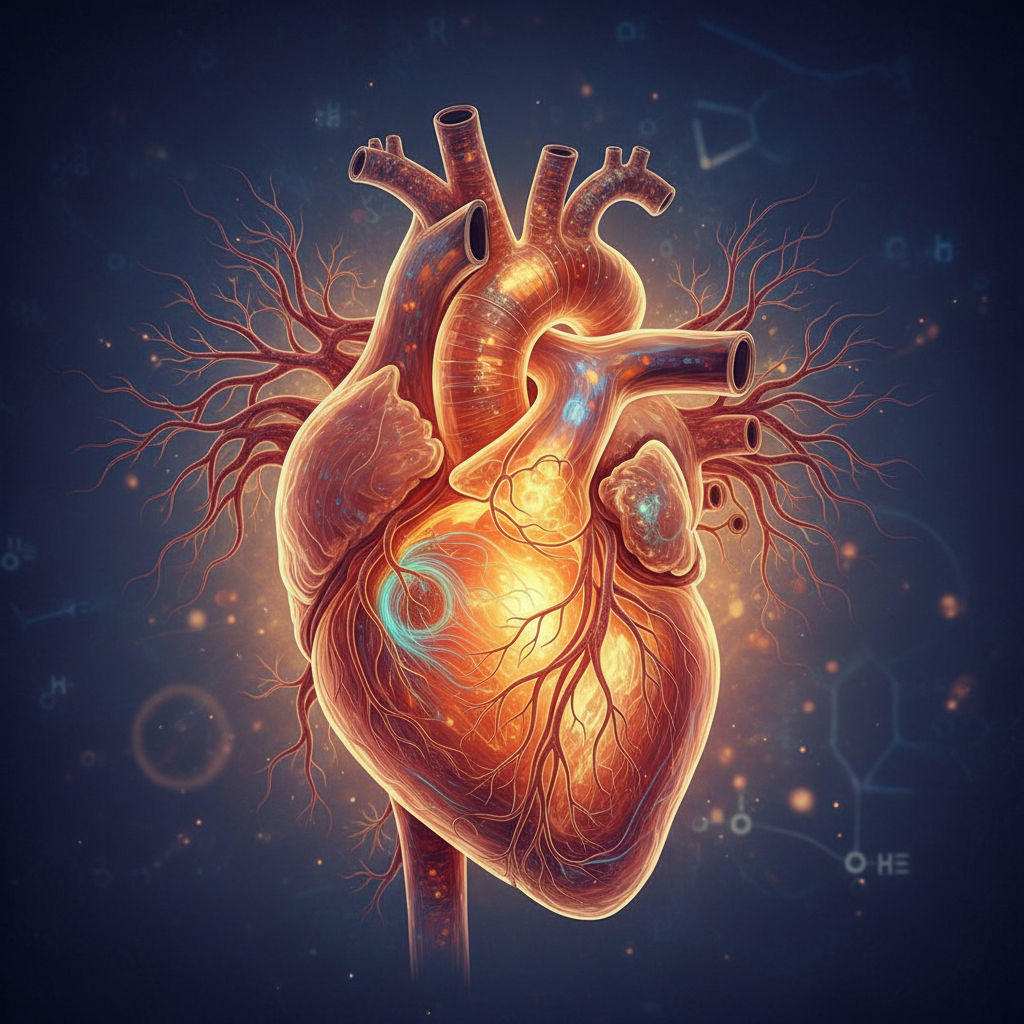
There is a common misconception that heart disease is primarily a man’s issue. However, heart disease remains the leading cause of death for women globally. The biology of a woman’s heart differs slightly from a man’s, and consequently, the warning signs of a heart attack can be more subtle.
Recognizing the Symptoms
While chest pain is a classic symptom, women are more likely to experience atypical symptoms that can be easily dismissed as fatigue or the flu. These include:
- Shortness of breath
- Nausea or vomiting
- Back or jaw pain
- Extreme fatigue
- Dizziness or lightheadedness
Prevention: Maintaining a heart-healthy lifestyle is crucial. This includes regular cardiovascular exercise, a balanced diet low in saturated fats and sodium, smoking cessation, and managing stress levels. Regular screenings for blood pressure and cholesterol are essential for early detection.
2. Breast and Gynecological Cancers
Cancer remains a significant concern for women, with breast, cervical, ovarian, and uterine cancers being among the most common affecting the female population.
Breast Cancer
Breast cancer is the most diagnosed cancer in women. Early detection significantly improves survival rates. Women are encouraged to perform monthly self-exams to check for lumps or changes in skin texture. Furthermore, routine mammograms—typically starting at age 40 or earlier depending on family history—are vital for catching abnormalities before they become symptomatic.
Cervical and Ovarian Cancer
Cervical cancer is highly preventable thanks to the HPV vaccine and regular Pap smears, which can detect precancerous changes in the cervix. Ovarian cancer, often called the “silent killer,” is harder to detect because symptoms like bloating, pelvic pain, and urinary frequency can mimic other less serious conditions. Persistent symptoms should always be evaluated by a healthcare professional.
3. Reproductive Health Issues
Beyond pregnancy and childbirth, women’s reproductive systems are susceptible to various conditions that can impact daily life and fertility.
Endometriosis and Fibroids
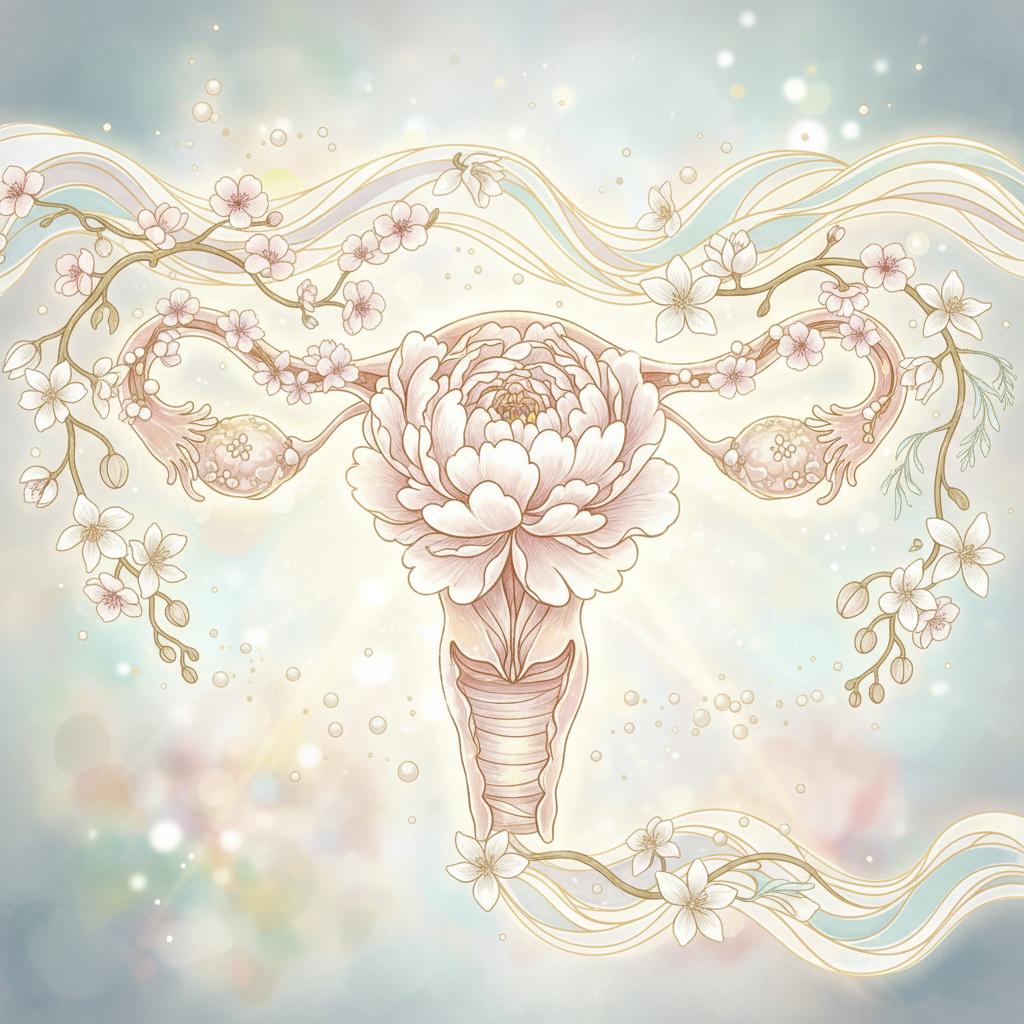
Endometriosis occurs when tissue similar to the lining of the uterus grows outside of it, causing severe pain and potential fertility issues. Similarly, uterine fibroids are noncancerous growths of the uterus that can cause heavy menstrual bleeding and pelvic pressure. Both conditions often go undiagnosed for years, with women suffering in silence. Seeking a specialist’s opinion is key if menstrual pain interferes with daily activities.
Polycystic Ovary Syndrome (PCOS)
PCOS is a hormonal disorder common among women of reproductive age. It can cause irregular periods, excess androgen levels, and cysts on the ovaries. Beyond fertility, PCOS is linked to insulin resistance, increasing the risk of type 2 diabetes and heart disease later in life.
4. Osteoporosis and Bone Health
Osteoporosis is a disease that weakens bones, making them fragile and more likely to break. Women are significantly more likely to develop osteoporosis than men, particularly after menopause.
The Estrogen Connection
Estrogen plays a vital role in protecting bone density. When estrogen levels drop during menopause, bone loss accelerates. This makes older women particularly susceptible to fractures of the hip, spine, and wrist.
Prevention: Building strong bones starts early in life, but it is never too late to improve bone health. Key preventive measures include:
- Adequate intake of Calcium and Vitamin D.
- Weight-bearing exercises (like walking, jogging, or weightlifting).
- Limiting alcohol consumption and avoiding smoking.
- Bone density scans (DEXA) for women over 65 or those at high risk.
5. Autoimmune Diseases
Interestingly, autoimmune diseases—where the body’s immune system attacks healthy cells—disproportionately affect women. Conditions such as Lupus, Rheumatoid Arthritis, Multiple Sclerosis, and Thyroid disorders (Hashimoto’s and Graves’ disease) are far more prevalent in the female population.
Symptoms of autoimmune disorders can be vague and intermittent, often leading to a long road to diagnosis. Unexplained fatigue, joint pain, skin rashes, and low-grade fevers are common indicators that warrant a comprehensive medical evaluation.
6. Mental Health and Hormonal Fluctuations
Women are statistically more likely than men to experience anxiety and depression. While social and environmental factors play a role, biological factors are also significant. Hormonal fluctuations during the menstrual cycle, pregnancy, the postpartum period, and menopause can trigger or exacerbate mental health conditions.
Postpartum Depression (PPD): This is more than just the “baby blues.” PPD is a serious condition requiring medical attention. Similarly, the hormonal shifts during perimenopause can lead to mood swings, irritability, and depression.
It is vital to destigmatize mental health care. Therapy, support groups, and medication are effective tools, and prioritizing mental well-being is just as important as physical health.
The Importance of Preventive Screenings
The most effective tool in combating these women’s health issues is proactive care. Regular check-ups allow doctors to track changes in your health over time. A standard woman’s wellness exam typically includes:
- Pelvic exam and Pap smear
- Clinical breast exam
- Blood pressure and cholesterol check
- Screening for diabetes and thyroid issues
- Discussions about mental health and lifestyle
Conclusion
Women’s health is complex, influenced by a blend of genetics, hormones, and lifestyle. While the risk of conditions like heart disease, cancer, and osteoporosis is real, knowledge is the ultimate defense. By listening to your body, maintaining a healthy lifestyle, and adhering to recommended screening schedules, you can navigate these challenges effectively.
If you are experiencing symptoms or are overdue for a check-up, do not wait. Prioritize your health today to ensure a vibrant and active tomorrow.
Language
-
 English (US)
