
子宫下垂(子宫脱垂)的症状有哪些?如何有效治疗与预防?
子宫下垂,医学上通常称为“子宫脱垂”,是许多女性——尤其是产后妈妈和中老年女性——难以启齿的隐痛。它不仅影响身体的舒适度,更可能严重干扰日常的生活质量。如果您经常感到小腹有下坠感,或者在清洗私处时摸到有异物,这可能就是子宫脱垂的早期信号。本文将结合专业医学知识,为您详细解读子宫下垂的症状、成因以及科学的治疗与预防方法。
什么是子宫下垂?
子宫下垂是指子宫从正常位置沿阴道下降,宫颈外口达坐骨棘水平以下,甚至子宫全部脱出于阴道口以外。简单来说,就是支撑子宫的“吊床”(盆底肌肉和韧带)变松了,兜不住子宫,导致其位置下移。
根据病情的严重程度,临床上通常将子宫脱垂分为三度:
- I度:子宫颈下垂,但仍位于阴道内,未超出处女膜缘。
- II度:子宫颈及部分子宫体已脱出阴道口外。
- III度:子宫颈及子宫体全部脱出阴道口外。
子宫下垂的常见症状
许多轻度患者可能没有明显的不适,但随着病情加重,以下症状会逐渐显现:
1. 腰骶部酸痛与下坠感
这是最常见的症状。患者常感到小腹下坠、腰酸背痛,这种感觉在长时间站立、行走或劳累后会加重,卧床休息后通常能得到缓解。
2. 阴道内有肿物脱出
在中重度患者中,会感觉阴道口有“肉球”掉出来。起初可能只是在腹压增加(如咳嗽、用力排便)时出现,休息后能缩回;严重时,肿物长期暴露在外,容易因摩擦导致溃疡、出血或感染。
3. 排尿与排便异常
子宫下垂往往伴随着膀胱或直肠的移位。这可能导致压力性尿失禁(咳嗽大笑时漏尿)、排尿困难、尿频尿急,或者便秘、排便不尽感。
导致子宫下垂的主要原因
了解成因有助于我们更好地预防。导致盆底支持组织薄弱的原因主要包括:
- 妊娠与分娩:这是最主要的原因。分娩过程中的损伤、胎儿过大或产程过长,都会过度拉伸盆底肌肉和韧带。
- 衰老与绝经:随着年龄增长,特别是绝经后,雌激素水平下降,导致盆底组织萎缩、弹性降低。
- 腹压长期增加:慢性咳嗽、习惯性便秘、长期从事重体力劳动(如搬运重物)或频繁的深蹲,都会增加腹压,推动子宫下移。
子宫下垂该如何治疗?
治疗方案的选择取决于患者的年龄、生育要求以及脱垂的严重程度。
1. 非手术治疗(适用于轻度患者)
对于轻度脱垂或因身体原因无法手术的患者,保守治疗是首选:
- 盆底肌训练(凯格尔运动):这是最基础也最有效的康复手段。通过主动收缩肛门和阴道周围的肌肉,增强盆底支撑力。建议在专业指导下坚持练习。
- 子宫托:这是一种放置在阴道内的医疗器械,用于托住子宫,缓解症状。使用子宫托需要定期取出清洗和复查,以防感染。
- 中药与物理治疗:配合补中益气的中药调理或生物反馈电刺激治疗,也能起到辅助改善作用。
2. 手术治疗(适用于中重度患者)
对于脱垂严重、症状明显且保守治疗无效的患者,医生通常会建议手术。手术方式多种多样,包括利用自身组织修复、植入网片悬吊或在特定情况下进行子宫切除术等。具体的方案需要由专业医生根据患者的具体情况制定。
如何预防子宫下垂?
预防胜于治疗,呵护盆底健康应从日常做起:
- 产后康复:产后42天应进行盆底筛查,并尽早开始盆底肌修复训练。
- 避免腹压过高:积极治疗慢性咳嗽和便秘,避免长时间负重或频繁屏气用力。
- 健康生活方式:控制体重,避免肥胖给盆底带来额外负担;多吃富含纤维的食物,保持大便通畅。
总结:子宫下垂并不是一种令人羞耻的疾病,而是盆底功能障碍的一种表现。如果您怀疑自己有相关症状,请务必及时前往正规医院妇科或盆底康复科就诊。早发现、早干预,通过科学的治疗和锻炼,完全可以重获健康与自信。

白带颜色与私密处健康:如何分辨正常与异常白带?
对于许多女性来说,白带(Vaginal Discharge)的变化往往是身体发出的第一个健康信号。然而,由于害羞或缺乏了解,很多女性在面对私密处问题时容易感到焦虑或忽视。事实上,白带是女性生殖系统健康的“晴雨表”。了解什么是正常的白带,以及何时通过白带的颜色、质地和气味来识别潜在的健康风险,是每一位女性都应该掌握的自我护理知识。
什么是正常的白带?
首先,我们需要明确一点:白带的存在是完全正常的。白带是由阴道粘膜、宫颈腺体及子宫内膜分泌的混合液,它的主要功能是湿润阴道、排泄代谢废物以及抑制病原菌生长。正常的生理性白带通常具有以下特征:
- 颜色:透明、乳白色或淡黄色(干燥后)。
- 质地:稀薄、粘稠或蛋清样(排卵期时会变得更透明且拉丝)。
- 气味:无味或带有淡淡的酸味(这是由于阴道内的乳酸杆菌作用)。
- 量:分泌量会随着月经周期、性兴奋、怀孕或压力而有所波动。
只要没有伴随瘙痒、疼痛或难闻的异味,通常不需要过度担心。
警惕!白带异常的信号
当阴道内的微生态平衡被打破,或者受到病原体感染时,白带就会出现“病理性”的变化。根据康民国际医院(Bumrungrad International Hospital)的专家建议,以下几种白带异常情况需要引起高度重视:
1. 白色豆腐渣样白带
如果白带呈现白色、浓稠,且质地像凝乳或豆腐渣,同时伴有剧烈的外阴瘙痒、红肿或烧灼感,这通常是霉菌性阴道炎(念珠菌感染)的典型症状。这种感染非常常见,尤其是在免疫力下降、服用抗生素或患有糖尿病的女性中。
2. 灰白色且有腥臭味
当白带变成灰白色,质地均匀稀薄,且散发出明显的鱼腥味(特别是在性生活后气味加重),这往往是细菌性阴道病(BV)的迹象。这是由于阴道内正常菌群失调,厌氧菌过度繁殖所致。
3. 黄绿色或泡沫状白带
如果发现白带呈黄绿色、脓性,或者带有泡沫,并且伴有异味和阴道瘙痒,这可能是滴虫性阴道炎的症状。这是一种可以通过性传播的感染,通常需要伴侣双方同时治疗。
4. 褐色或带血丝白带
非经期的褐色白带或血性白带可能暗示着多种情况。轻微的可能是排卵期出血或宫内节育器引起的副作用;但如果持续出现,尤其是在性交后出血,则需要警惕宫颈息肉、宫颈炎,甚至是宫颈癌等严重问题。
导致私密处健康问题的常见原因
了解原因有助于我们在日常生活中更好地预防。导致白带异常和私密处感染的常见因素包括:
- 感染:如细菌、真菌、滴虫或性传播疾病(淋病、衣原体)。
- 卫生习惯不当:过度清洁(如使用阴道冲洗液)会破坏阴道原本的酸碱平衡,反而容易导致感染。
- 异物刺激:被遗忘的卫生棉条或避孕工具。
- 荷尔蒙变化:绝经后雌激素水平下降,导致萎缩性阴道炎。
- 衣物选择:长期穿着紧身、不透气的化纤内裤,容易营造潮湿环境,滋生细菌。
如何保养私密处健康?
维护私密处的健康并不需要昂贵的产品,反而需要做“减法”。以下是一些实用的护理建议:
- 保持清洁但不过度:每天用温水清洗外阴即可,坚决避免进行阴道内部冲洗。阴道具有自净功能,冲洗反而会破坏天然屏障。
- 选择透气内裤:尽量穿着棉质、宽松的内裤,保持私密处干爽透气。避免长期穿紧身牛仔裤或连裤袜。
- 正确的擦拭方式:上完厕所后,应从前向后擦拭,防止肛门处的细菌感染阴道。
- 安全性行为:使用安全套不仅可以避孕,还能有效预防滴虫、淋病等性传播疾病。
- 定期检查:建议成年女性每年进行一次妇科检查,包括白带常规和宫颈癌筛查。
何时应该就医?
如果您发现白带的颜色、气味或量发生了明显改变,或者伴有外阴瘙痒、疼痛、排尿痛、性交痛或非经期出血,请务必及时就医。不要自行购买药物盲目治疗,因为不同类型的阴道炎(如霉菌性和细菌性)治疗药物是完全相反的,误用药物可能会加重病情。
私密处健康关乎女性的整体生活质量。通过细心观察白带的变化,您可以更早地发现身体的异常信号,并采取正确的措施呵护自己。

Uterine Prolapse Explained: Symptoms, Causes, and Effective Treatments
For many women, pelvic health is a topic often shrouded in silence, yet conditions affecting the pelvic floor are incredibly common. One such condition, uterine prolapse, affects millions of women worldwide, impacting their daily comfort, activity levels, and overall quality of life. While the sensation of pelvic pressure or tissue protrusion can be alarming, it is a treatable condition. Understanding the anatomy, causes, and available solutions is the first step toward reclaiming your confidence and comfort.

Uterine prolapse occurs when the pelvic floor muscles and ligaments stretch and weaken, providing inadequate support for the uterus. The uterus then slips down into or protrudes out of the vagina. To visualize this, think of your pelvic floor muscles as a hammock that holds your pelvic organs—the uterus, bladder, and bowel—in place. When this hammock loses its elasticity or strength, it can no longer suspend these organs effectively.
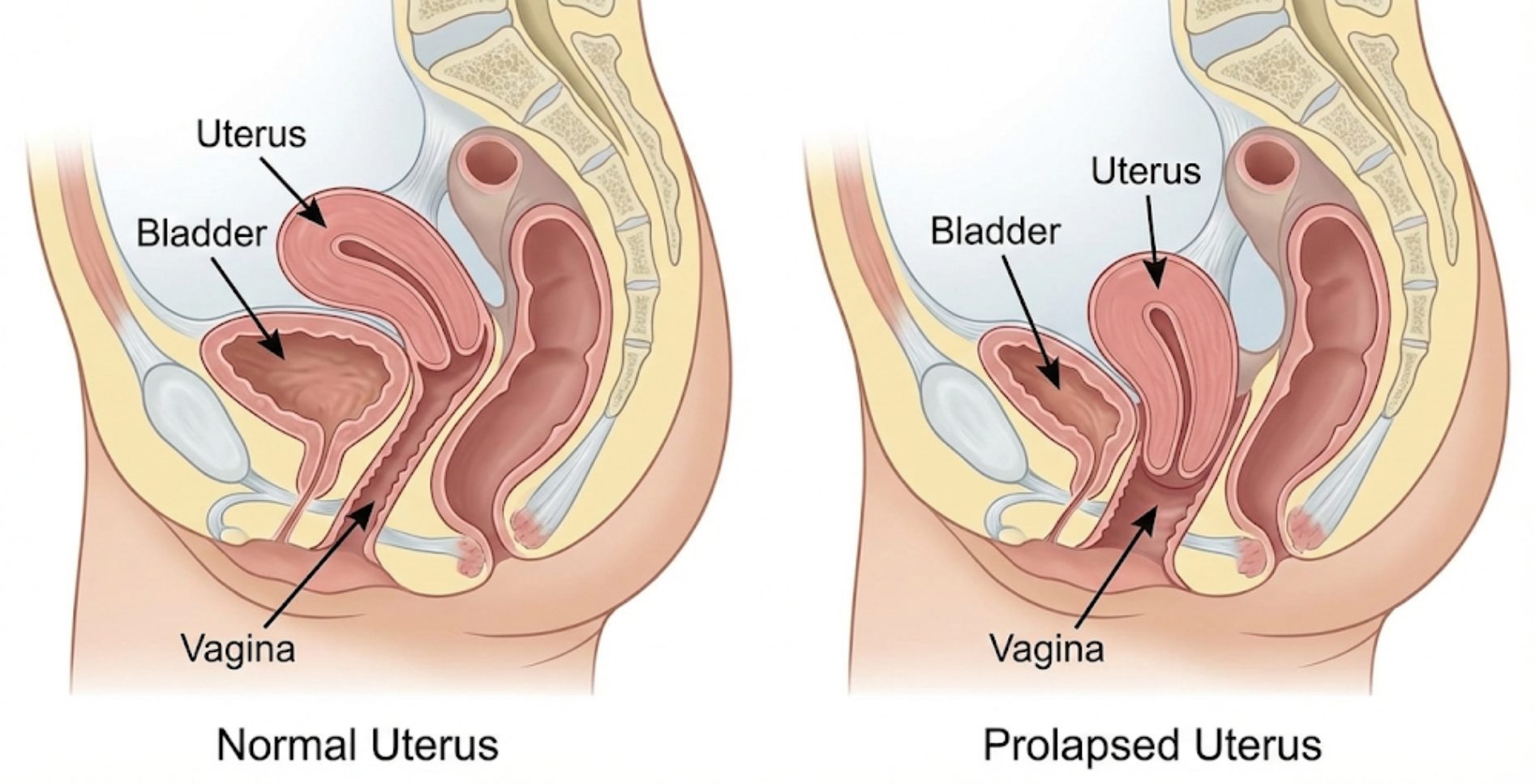
This condition can affect women of any age, though it is significantly more prevalent in postmenopausal women who have had one or more vaginal deliveries. The severity of the prolapse can range from mild (where the uterus drops slightly) to severe (where the uterus protrudes significantly outside the vaginal opening).
In mild cases, uterine prolapse may not present any noticeable symptoms. However, as the condition progresses, the physical sensations can become hard to ignore. Symptoms often worsen as the day goes on or after long periods of standing.
Common signs and symptoms include:
Because the pelvic organs are closely packed together, the displacement of the uterus often affects the bladder and bowel. You might experience:
Uterine prolapse is fundamentally caused by the weakening of pelvic muscles and supportive tissues. Several factors contribute to this structural failure.
The most significant risk factor is pregnancy and childbirth. The weight of the baby during pregnancy and the strain of vaginal delivery can stretch and damage the pelvic floor nerves and tissues. Women who have had multiple vaginal births, large babies, or difficult labors are at higher risk.
As women age, the production of estrogen decreases naturally, particularly during and after menopause. Estrogen plays a vital role in maintaining the strength and elasticity of collagen, the connective tissue that supports the pelvic organs. Lower estrogen levels lead to weaker pelvic tissues.
Any activity or condition that puts repeated pressure on the abdomen can strain the pelvic floor over time. This includes:
Diagnosing uterine prolapse is typically straightforward and involves a pelvic examination. During the exam, your doctor will likely ask you to bear down as if having a bowel movement to see how far the uterus has descended. They may also ask you to tighten your pelvic muscles to assess their strength. In some cases, questionnaires regarding urinary function and quality of life help the doctor understand the impact of the condition on your daily routine.
The treatment for uterine prolapse depends on the severity of the condition and how much it bothers you. If you have a mild prolapse with no symptoms, medical treatment might not be necessary immediately, but lifestyle changes are recommended to prevent worsening.
For mild to moderate cases, or for women who wish to avoid surgery, several effective options exist:
If the prolapse is severe or non-surgical methods fail to provide relief, surgery may be recommended. Options include:
While you cannot control genetic factors or the natural aging process, you can take steps to protect your pelvic floor:
Uterine prolapse is not a condition you have to live with in silence. It is a mechanical issue with effective medical solutions. If you are experiencing symptoms like pelvic pressure, tissue protrusion, or urinary difficulties, consult your healthcare provider. With the right combination of lifestyle changes, therapies, or medical interventions, you can restore your comfort and return to an active, worry-free life.
What is Uterine Prolapse?
Recognizing the Symptoms
- Sensation of Heaviness: Many women describe a feeling of heaviness or pulling in the pelvis.
- Tissue Protrusion: Seeing or feeling tissue bulging out of the vagina is a hallmark symptom of more advanced prolapse.
- The “Ball” Sensation: A distinct feeling as if you are sitting on a small ball.
- Sexual Discomfort: Sensations of looseness in the vaginal tissue or pain during intercourse.
- Lower Back Pain: A dull ache in the lower back that may subside when lying down.
Urinary and Bowel Complications
- Urinary Incontinence: Leakage of urine when coughing, sneezing, or laughing (stress incontinence).
- Retention: Difficulty emptying the bladder completely, which can increase the risk of urinary tract infections.
- Bowel Movement Issues: Constipation or difficulty passing a bowel movement without applying pressure to the vagina (splinting).
The Primary Causes and Risk Factors
Pregnancy and Childbirth
Aging and Menopause
Chronic Intra-abdominal Pressure
- Obesity: Excess weight puts continuous strain on pelvic muscles.
- Chronic Coughing: Conditions like bronchitis or smoker’s cough create repeated downward pressure.
- Chronic Constipation: Straining during bowel movements is a major contributor to prolapse.
- Heavy Lifting: Jobs or exercises that involve repeated heavy lifting can accelerate muscle weakening.
Diagnosis
Treatment Options: From Self-Care to Surgery
Non-Surgical Approaches
- Kegel Exercises: These are targeted exercises designed to strengthen the pelvic floor muscles. By regularly tightening and relaxing these muscles, you can reinforce the “hammock” supporting the uterus. While Kegels may not reverse severe prolapse, they can prevent mild cases from worsening and alleviate symptoms.
- Vaginal Pessary: A pessary is a plastic or rubber ring inserted into the vagina to support the bulging tissues. It works somewhat like a structural prop. Pessaries come in various shapes and sizes and must be fitted by a healthcare provider. They can be a permanent solution or a temporary measure while deferring surgery.
- Estrogen Therapy: For postmenopausal women, using vaginal estrogen (cream, ring, or tablet) can help restore some vitality and strength to the vaginal tissues, although it does not fix the structural prolapse itself.
Surgical Interventions
- Tissue Repair: This involves grafting your own tissue, donor tissue, or synthetic material onto weakened pelvic floor structures to support the pelvic organs. This is often done through the vagina but can be laparoscopic.
- Hysterectomy: In severe cases, the uterus itself may be removed. While this corrects the uterine prolapse, surgeons must also address the vaginal vault to prevent it from prolapsing in the future.
Prevention and Lifestyle Management
- Maintain a Healthy Weight: Reducing excess body weight reduces the load on your pelvic floor.
- Treat Constipation: Eat a high-fiber diet and drink plenty of fluids to ensure soft stools and avoid straining.
- Practice Proper Lifting: Avoid lifting heavy objects, and when you must, lift with your legs, not your waist or back.
- Quit Smoking: Eliminating the chronic “smoker’s cough” can significantly reduce pelvic pressure.
Conclusion
语言
-
 简体中文
简体中文
