白带颜色与私密处健康:如何分辨正常与异常白带?
对于许多女性来说,白带(Vaginal Discharge)的变化往往是身体发出的第一个健康信号。然而,由于害羞或缺乏了解,很多女性在面对私密处问题时容易感到焦虑或忽视。事实上,白带是女性生殖系统健康的“晴雨表”。了解什么是正常的白带,以及何时通过白带的颜色、质地和气味来识别潜在的健康风险,是每一位女性都应该掌握的自我护理知识。
什么是正常的白带?
首先,我们需要明确一点:白带的存在是完全正常的。白带是由阴道粘膜、宫颈腺体及子宫内膜分泌的混合液,它的主要功能是湿润阴道、排泄代谢废物以及抑制病原菌生长。正常的生理性白带通常具有以下特征:
- 颜色:透明、乳白色或淡黄色(干燥后)。
- 质地:稀薄、粘稠或蛋清样(排卵期时会变得更透明且拉丝)。
- 气味:无味或带有淡淡的酸味(这是由于阴道内的乳酸杆菌作用)。
- 量:分泌量会随着月经周期、性兴奋、怀孕或压力而有所波动。
只要没有伴随瘙痒、疼痛或难闻的异味,通常不需要过度担心。
警惕!白带异常的信号
当阴道内的微生态平衡被打破,或者受到病原体感染时,白带就会出现“病理性”的变化。根据康民国际医院(Bumrungrad International Hospital)的专家建议,以下几种白带异常情况需要引起高度重视:
1. 白色豆腐渣样白带
如果白带呈现白色、浓稠,且质地像凝乳或豆腐渣,同时伴有剧烈的外阴瘙痒、红肿或烧灼感,这通常是霉菌性阴道炎(念珠菌感染)的典型症状。这种感染非常常见,尤其是在免疫力下降、服用抗生素或患有糖尿病的女性中。
2. 灰白色且有腥臭味
当白带变成灰白色,质地均匀稀薄,且散发出明显的鱼腥味(特别是在性生活后气味加重),这往往是细菌性阴道病(BV)的迹象。这是由于阴道内正常菌群失调,厌氧菌过度繁殖所致。
3. 黄绿色或泡沫状白带
如果发现白带呈黄绿色、脓性,或者带有泡沫,并且伴有异味和阴道瘙痒,这可能是滴虫性阴道炎的症状。这是一种可以通过性传播的感染,通常需要伴侣双方同时治疗。
4. 褐色或带血丝白带
非经期的褐色白带或血性白带可能暗示着多种情况。轻微的可能是排卵期出血或宫内节育器引起的副作用;但如果持续出现,尤其是在性交后出血,则需要警惕宫颈息肉、宫颈炎,甚至是宫颈癌等严重问题。
导致私密处健康问题的常见原因
了解原因有助于我们在日常生活中更好地预防。导致白带异常和私密处感染的常见因素包括:
- 感染:如细菌、真菌、滴虫或性传播疾病(淋病、衣原体)。
- 卫生习惯不当:过度清洁(如使用阴道冲洗液)会破坏阴道原本的酸碱平衡,反而容易导致感染。
- 异物刺激:被遗忘的卫生棉条或避孕工具。
- 荷尔蒙变化:绝经后雌激素水平下降,导致萎缩性阴道炎。
- 衣物选择:长期穿着紧身、不透气的化纤内裤,容易营造潮湿环境,滋生细菌。
如何保养私密处健康?
维护私密处的健康并不需要昂贵的产品,反而需要做“减法”。以下是一些实用的护理建议:
- 保持清洁但不过度:每天用温水清洗外阴即可,坚决避免进行阴道内部冲洗。阴道具有自净功能,冲洗反而会破坏天然屏障。
- 选择透气内裤:尽量穿着棉质、宽松的内裤,保持私密处干爽透气。避免长期穿紧身牛仔裤或连裤袜。
- 正确的擦拭方式:上完厕所后,应从前向后擦拭,防止肛门处的细菌感染阴道。
- 安全性行为:使用安全套不仅可以避孕,还能有效预防滴虫、淋病等性传播疾病。
- 定期检查:建议成年女性每年进行一次妇科检查,包括白带常规和宫颈癌筛查。
何时应该就医?
如果您发现白带的颜色、气味或量发生了明显改变,或者伴有外阴瘙痒、疼痛、排尿痛、性交痛或非经期出血,请务必及时就医。不要自行购买药物盲目治疗,因为不同类型的阴道炎(如霉菌性和细菌性)治疗药物是完全相反的,误用药物可能会加重病情。
私密处健康关乎女性的整体生活质量。通过细心观察白带的变化,您可以更早地发现身体的异常信号,并采取正确的措施呵护自己。
10 Reasons for an Itchy Vagina (And How to Stop the Itch)
There are few things more uncomfortable—or inconvenient—than an itchy vagina. It is the kind of nagging sensation that can distract you during a meeting, ruin a date, or keep you awake at night. While the immediate urge is to scratch, most women hesitate, knowing that scratching delicate tissue usually makes matters worse. Furthermore, the panic often sets in: Is it an infection? Is it something serious?
The first assumption many women make is that they have a yeast infection. While yeast is a very common culprit, it is far from the only reason you might be experiencing irritation “down there.” In fact, treating yourself for a yeast infection when you actually have a bacterial issue or a skin condition can delay proper healing and potentially exacerbate the problem.
Understanding the root cause of the itch is the first step toward relief. Below, we explore ten common reasons why your vagina (or more accurately, your vulva) might be itching, based on expert medical insights, and what you can do to stop the irritation.
1. Bacterial Vaginosis (BV)
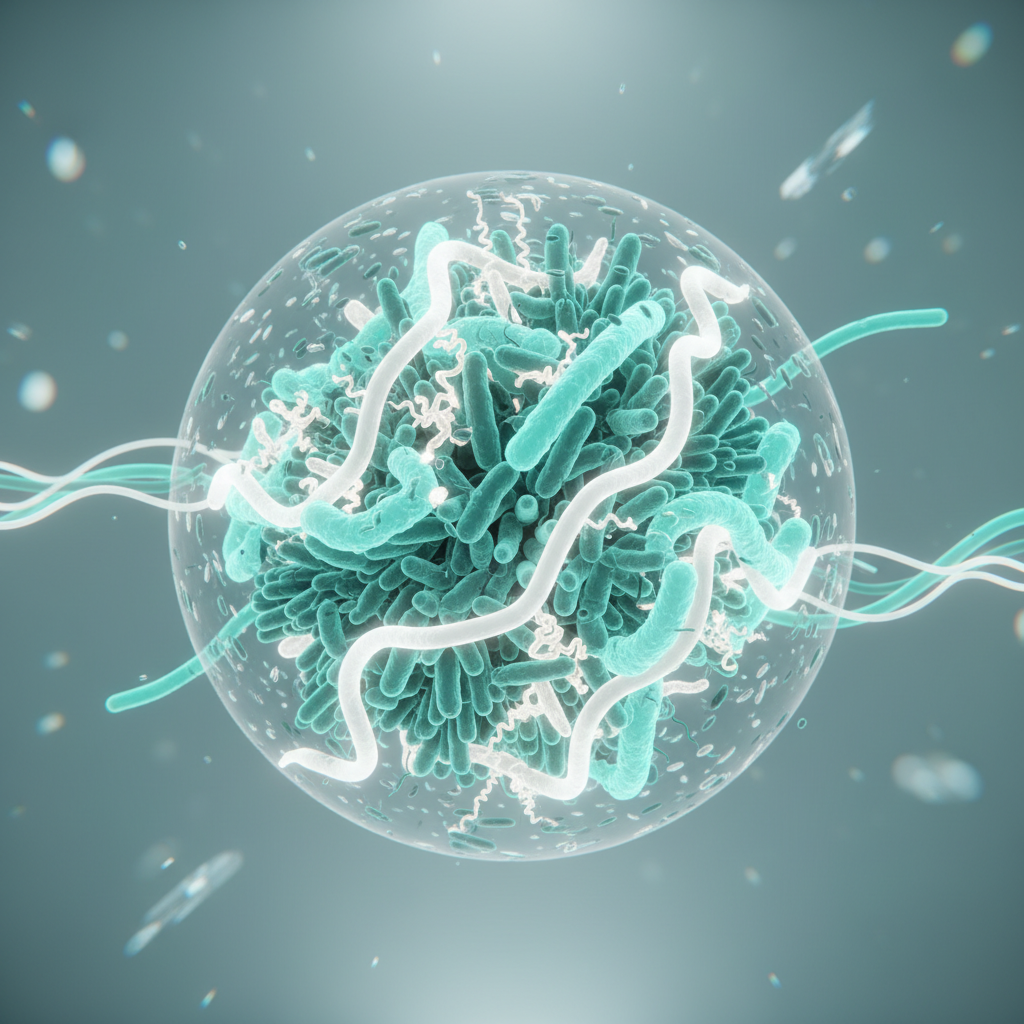
Bacterial Vaginosis is actually the most common vaginal infection in women between the ages of 15 and 44. It occurs when the delicate balance of bacteria in the vagina is disrupted, allowing “bad” bacteria to outnumber the “good” lactobacilli. While itching is a symptom, the hallmark sign of BV is usually a thin, greyish-white discharge accompanied by a distinct, fishy odor.
How to handle it: Unlike a yeast infection, BV cannot be treated with over-the-counter creams. You will need to see a doctor for a prescription antibiotic, either in pill or gel form. Ignoring BV can increase your risk of contracting STIs, so medical attention is necessary.
2. Yeast Infections
While not the only cause, yeast infections are undeniably a major player in vaginal itching. These occur when there is an overgrowth of the fungus Candida. The itching associated with a yeast infection is often intense and internal as well as external. You may also notice a thick, white, clumpy discharge that resembles cottage cheese.
How to handle it: If you have had one before and recognize the symptoms, over-the-counter antifungal creams or suppositories are often effective. However, if this is your first time or the OTC medication doesn’t work, visit your gynecologist to rule out other strains of yeast or different infections.
3. Contact Dermatitis
Your vulva is covered in skin, and just like the skin on your face or arms, it can have an allergic reaction to irritants. This is known as contact dermatitis. If you have recently changed laundry detergents, started using a new body wash, or switched brands of toilet paper (especially scented ones), your skin might be protesting.
How to handle it: The solution here is elimination. Stop using scented soaps, bubble baths, and feminine hygiene sprays. Switch to hypoallergenic laundry detergent and avoid fabric softeners on your underwear. If the itch persists, a doctor might recommend a low-potency hydrocortisone cream to calm the inflammation.
4. Eczema or Psoriasis
If you suffer from skin conditions like eczema or psoriasis on other parts of your body, you can unfortunately develop them on your vulva as well. Eczema can manifest as red, itchy, and inflamed skin, while psoriasis often presents as thick, scaly red patches.
How to handle it: Because the skin in the genital area is thinner and more sensitive than elsewhere, you should not use the same strong prescription creams you might use on your elbows or knees. Consult a dermatologist or gynecologist for a treatment plan tailored to sensitive areas, which may include mild steroids or sitz baths.
5. Sexually Transmitted Infections (STIs)
Several STIs lists itching as a primary symptom. While the thought is frightening, identifying the issue is crucial for your health.
- Trichomoniasis: Caused by a parasite, this very common STI often causes itching, burning, and a frothy, yellow-green discharge with a foul smell.
- Herpes: Genital herpes often begins with tingling or itching before the appearance of painful blisters or sores.
- Pubic Lice (Crabs): Though less common today due to grooming habits, these parasites cause intense itching in the pubic hair region.
How to handle it: If you suspect an STI, get tested immediately. Treatments vary from antibiotics for Trichomoniasis to antiviral medications for Herpes management.

6. Hormonal Changes
Your hormones play a significant role in vaginal health. When estrogen levels drop—typically during menopause, perimenopause, or while breastfeeding—the vaginal wall can become thinner and drier. This condition, known as vaginal atrophy, often leads to itching and discomfort, particularly during sex.
How to handle it: Over-the-counter vaginal moisturizers and water-based lubricants can help with dryness. For more persistent cases, a doctor may prescribe a topical estrogen cream or a vaginal ring to restore moisture and elasticity.
7. Lichen Sclerosus
This is a chronic skin condition that is less common but serious. It causes patchy, white skin on the vulva that appears thinner than normal. It is most often seen in postmenopausal women but can affect anyone. The itching can be severe and may lead to scarring if left untreated.
How to handle it: Lichen Sclerosus requires a diagnosis from a medical professional, often confirmed by a biopsy. Treatment usually involves high-potency prescription steroid creams to reduce inflammation and prevent scarring.
8. Shaving and Grooming Habits
If you shave your bikini line, you are likely familiar with the itch that comes a day or two later as the hair grows back. Razor burn and folliculitis (infected hair follicles) are major sources of vulvar itching. The friction from tight clothing against freshly shaved skin can exacerbate the irritation.
How to handle it: Apply a warm compress to the area to soothe the skin. To prevent it in the future, use a fresh razor every time, use plenty of shaving cream, and shave in the direction of hair growth. Alternatively, consider trimming instead of shaving to avoid skin irritation entirely.
9. Latex Condoms or Lubricants
Sometimes the source of the itch is introduced during intimacy. Many women have a sensitivity or allergy to latex. If you notice itching or swelling immediately after or the day following sex with a condom, this could be the culprit. Similarly, some lubricants contain glycerin or parabens that can irritate sensitive tissues.
How to handle it: Try switching to non-latex condoms (such as polyisoprene or polyurethane) and use natural, water-based, or silicone-based lubricants that are free from fragrances and cooling/warming agents.
10. General Hygiene Issues
It sounds simple, but sometimes the itch is a result of trapped moisture. Wearing tight synthetic underwear, wet bathing suits, or sweaty workout clothes for too long creates a warm, damp environment where bacteria and yeast thrive. Conversely, over-cleaning (douching) can also cause itching by stripping the vagina of its natural protective flora.
How to handle it: Stick to cotton underwear that allows the area to breathe. Change out of sweaty gym clothes immediately after working out. Most importantly, remember that the vagina is a self-cleaning organ—you do not need to wash inside it. Cleaning the external vulva with warm water and mild, unscented soap is all that is necessary.
When to See a Doctor
While an occasional itch is normal, persistent itching that disrupts your life or comes with other symptoms (foul odor, strange discharge, pain, or sores) requires professional attention. Avoid the temptation to self-diagnose with leftover creams in your medicine cabinet. A quick trip to the gynecologist can ensure you treat the right problem and get back to feeling comfortable in your own skin.
语言
-
 简体中文
简体中文
