Women’s health is a vast and dynamic field that encompasses far more than just reproductive well-being. While gynecological health is a cornerstone of a woman’s life, unique biological, hormonal, and physiological factors influence how women experience a wide range of medical conditions. From cardiovascular disease to autoimmune disorders, women often face distinct symptoms and risk factors that require specialized attention and awareness.
Understanding these health issues is the first step toward empowerment. By recognizing the signs of common conditions and prioritizing preventive care, women can take proactive steps to maintain their quality of life. This comprehensive guide explores the most prevalent health issues affecting women today and offers insights into prevention and management.
1. Heart Disease: The Leading Health Threat
There is a common misconception that heart disease is primarily a man’s issue. However, heart disease remains the leading cause of death for women globally. The biology of a woman’s heart differs slightly from a man’s, and consequently, the warning signs of a heart attack can be more subtle.
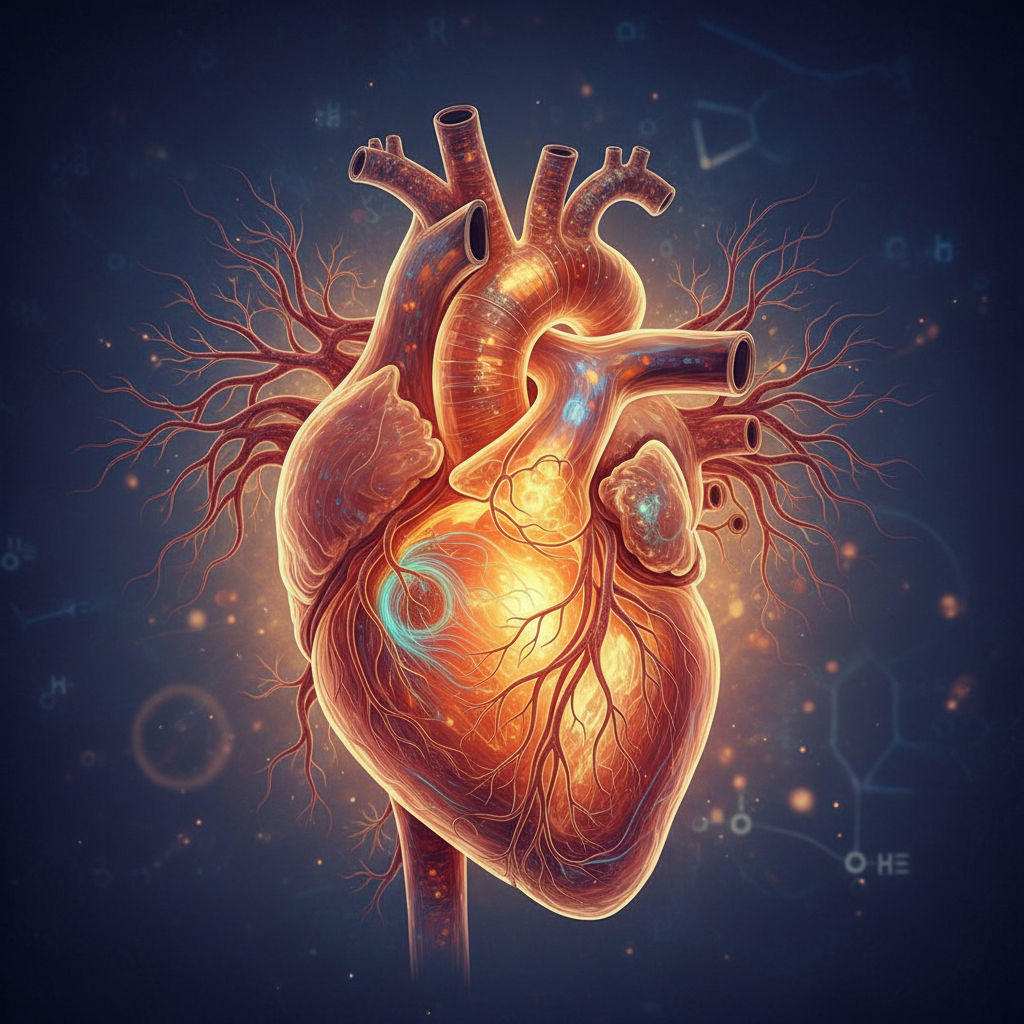
Recognizing the Symptoms
While chest pain is a classic symptom, women are more likely to experience atypical symptoms that can be easily dismissed as fatigue or the flu. These include:
- Shortness of breath
- Nausea or vomiting
- Back or jaw pain
- Extreme fatigue
- Dizziness or lightheadedness
Prevention: Maintaining a heart-healthy lifestyle is crucial. This includes regular cardiovascular exercise, a balanced diet low in saturated fats and sodium, smoking cessation, and managing stress levels. Regular screenings for blood pressure and cholesterol are essential for early detection.
2. Breast and Gynecological Cancers
Cancer remains a significant concern for women, with breast, cervical, ovarian, and uterine cancers being among the most common affecting the female population.
Breast Cancer
Breast cancer is the most diagnosed cancer in women. Early detection significantly improves survival rates. Women are encouraged to perform monthly self-exams to check for lumps or changes in skin texture. Furthermore, routine mammograms—typically starting at age 40 or earlier depending on family history—are vital for catching abnormalities before they become symptomatic.
Cervical and Ovarian Cancer
Cervical cancer is highly preventable thanks to the HPV vaccine and regular Pap smears, which can detect precancerous changes in the cervix. Ovarian cancer, often called the “silent killer,” is harder to detect because symptoms like bloating, pelvic pain, and urinary frequency can mimic other less serious conditions. Persistent symptoms should always be evaluated by a healthcare professional.
3. Reproductive Health Issues
Beyond pregnancy and childbirth, women’s reproductive systems are susceptible to various conditions that can impact daily life and fertility.

Endometriosis and Fibroids
Endometriosis occurs when tissue similar to the lining of the uterus grows outside of it, causing severe pain and potential fertility issues. Similarly, uterine fibroids are noncancerous growths of the uterus that can cause heavy menstrual bleeding and pelvic pressure. Both conditions often go undiagnosed for years, with women suffering in silence. Seeking a specialist’s opinion is key if menstrual pain interferes with daily activities.
Polycystic Ovary Syndrome (PCOS)
PCOS is a hormonal disorder common among women of reproductive age. It can cause irregular periods, excess androgen levels, and cysts on the ovaries. Beyond fertility, PCOS is linked to insulin resistance, increasing the risk of type 2 diabetes and heart disease later in life.
4. Osteoporosis and Bone Health
Osteoporosis is a disease that weakens bones, making them fragile and more likely to break. Women are significantly more likely to develop osteoporosis than men, particularly after menopause.
The Estrogen Connection
Estrogen plays a vital role in protecting bone density. When estrogen levels drop during menopause, bone loss accelerates. This makes older women particularly susceptible to fractures of the hip, spine, and wrist.
Prevention: Building strong bones starts early in life, but it is never too late to improve bone health. Key preventive measures include:
- Adequate intake of Calcium and Vitamin D.
- Weight-bearing exercises (like walking, jogging, or weightlifting).
- Limiting alcohol consumption and avoiding smoking.
- Bone density scans (DEXA) for women over 65 or those at high risk.
5. Autoimmune Diseases
Interestingly, autoimmune diseases—where the body’s immune system attacks healthy cells—disproportionately affect women. Conditions such as Lupus, Rheumatoid Arthritis, Multiple Sclerosis, and Thyroid disorders (Hashimoto’s and Graves’ disease) are far more prevalent in the female population.
Symptoms of autoimmune disorders can be vague and intermittent, often leading to a long road to diagnosis. Unexplained fatigue, joint pain, skin rashes, and low-grade fevers are common indicators that warrant a comprehensive medical evaluation.
6. Mental Health and Hormonal Fluctuations
Women are statistically more likely than men to experience anxiety and depression. While social and environmental factors play a role, biological factors are also significant. Hormonal fluctuations during the menstrual cycle, pregnancy, the postpartum period, and menopause can trigger or exacerbate mental health conditions.
Postpartum Depression (PPD): This is more than just the “baby blues.” PPD is a serious condition requiring medical attention. Similarly, the hormonal shifts during perimenopause can lead to mood swings, irritability, and depression.
It is vital to destigmatize mental health care. Therapy, support groups, and medication are effective tools, and prioritizing mental well-being is just as important as physical health.
The Importance of Preventive Screenings
The most effective tool in combating these women’s health issues is proactive care. Regular check-ups allow doctors to track changes in your health over time. A standard woman’s wellness exam typically includes:
- Pelvic exam and Pap smear
- Clinical breast exam
- Blood pressure and cholesterol check
- Screening for diabetes and thyroid issues
- Discussions about mental health and lifestyle
Conclusion
Women’s health is complex, influenced by a blend of genetics, hormones, and lifestyle. While the risk of conditions like heart disease, cancer, and osteoporosis is real, knowledge is the ultimate defense. By listening to your body, maintaining a healthy lifestyle, and adhering to recommended screening schedules, you can navigate these challenges effectively.
If you are experiencing symptoms or are overdue for a check-up, do not wait. Prioritize your health today to ensure a vibrant and active tomorrow.

