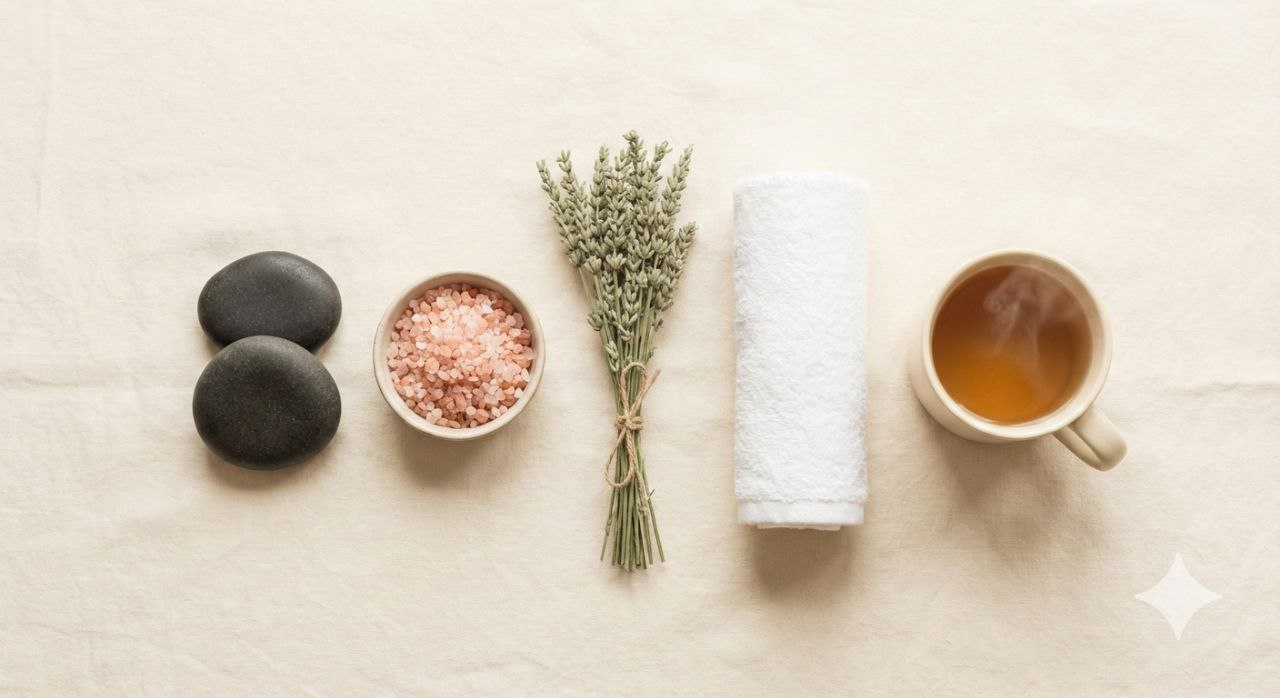
What is Confinement? A Modern Mama’s Guide to Postpartum Recovery Traditions
If you’re Asian (or married into an Asian family), you’ve probably heard about “confinement” or “pantang” — the traditional postpartum practice where new mothers rest and recover for 30-44 days after birth.
But let’s be real: in 2026, the idea of not leaving your house for a month sounds impossible, isolating, and outdated.
Here’s the thing: confinement isn’t about being trapped. It’s about intentional recovery. And when you understand the principles behind it, you can adapt it to work for your modern life.
What is Confinement, Really?
The Traditional View
Confinement (called “zuò yuè zi” 坐月子 in Chinese, “pantang” in Malay/Indonesian) is a 30-44 day period where new mothers:
- Rest and limit physical exertion
- Eat warming, nourishing foods
- Avoid cold exposure (cold water, drafts, cold foods)
- Receive massage and body treatments
- Focus on bonding with baby without outside pressures
The core goal: Support the mother’s physical recovery from pregnancy and childbirth while establishing breastfeeding and emotional bonding.
The Science Behind the Tradition
Modern research actually supports many confinement practices:
| Traditional Practice | What Modern Research Shows |
|---|---|
| Rest and limited activity | Prevents postpartum hemorrhage, supports uterine healing, reduces infection risk |
| Warm foods and drinks | Improves circulation, supports digestion, aids milk production |
| Massage and bodywork | Reduces swelling, improves lymphatic drainage, releases muscle tension |
| Avoiding cold exposure | Prevents chills that can trigger mastitis or delayed healing |
| Reduced social obligations | Allows hormonal regulation, reduces stress, supports mental health |
The Modern Mama’s Challenge
Traditional confinement is hard to follow when:
- You need to return to work after 60 days
- You don’t have live-in family support
- You have older children who need care
- The “rules” feel restrictive rather than supportive
The solution? Understand the principles, then adapt.
5 Ways to Practice Confinement Principles in Modern Life
1. Create a Recovery Zone (Not a Prison)
Traditional: Don’t leave the bedroom for 30-40 days
Modern adaptation: Designate spaces for rest and recovery
Practical steps:
- Set up a comfortable nursing/feeding station with everything within reach
- Create a “nest” with pillows, water, snacks, entertainment
- Accept that some days you’ll stay in pajamas — and that’s okay
- When you do leave home, make it intentional, not obligatory
2. Prioritize Nourishment (Without Strict Rules)
Traditional: Strict confinement diet — herbal soups, sesame oil, ginger, no “cold” foods
Modern adaptation: Focus on warm, nutrient-dense foods you enjoy

3. Incorporate Postpartum Bodywork
Traditional: Daily massage by a bidan or family member
Modern adaptation: Regular postnatal massage sessions that fit your schedule
Many cultures include massage as essential postpartum care because it:
- Expels “wind” and relieves bloating
- Reduces postpartum swelling
- Supports uterine contraction and repositioning
- Relieves back, shoulder, and neck tension
- Promotes relaxation and better sleep
- Helps with emotional wellbeing
4. Take Care of Your Body (Yes, You Can Shower!)
Traditional: No bathing or washing hair for 40 days
Modern adaptation: Gentle hygiene that supports recovery

5. Build Your Support System
Traditional: Extended family moves in to help for 40 days
Modern adaptation: Create a “village” however works for your life
When Does Confinement Start and End?
Traditionally, confinement lasts 30-44 days (depending on culture), starting immediately after birth.
But here’s the modern truth: Recovery doesn’t follow a strict calendar. Some moms feel ready to ease back into normal life at 3 weeks; others need 3 months.
Is Confinement Only for Asian Moms?
Absolutely not.
While confinement has specific cultural roots in Chinese, Malay, and other Asian traditions, the principles apply to every new mother:
- Rest and recovery
- Nourishing food
- Support from community
- Gentle bodywork
- Time to bond with baby
The core idea is universal: new mothers need care, rest, and support.
Partner Offer
🎁 For MamaWellness Readers: TBH Wellness offers Confinement Closure Treatments that incorporate traditional warming techniques with modern therapeutic approaches.
Their services include warming body massage, herbal compresses, and traditional abdominal binding (bengkung) — available at 5 locations across Selangor.
RM79 First Visit Special — No code needed.
💚

