A gentle space for motherhood, love & care ๐Ÿ’—

MamaWellness.my

Empowering Motherhood

27/02/2026 | Ella

What is Confinement? A Modern Mama Guide

What is Confinement? A Modern Mama’s Guide to Postpartum Recovery Traditions

If you’re Asian (or married into an Asian family), you’ve probably heard about “confinement” or “pantang” โ€” the traditional postpartum practice where new mothers rest and recover for 30-44 days after birth.

But let’s be real: in 2026, the idea of not leaving your house for a month sounds impossible, isolating, and outdated.

Here’s the thing: confinement isn’t about being trapped. It’s about intentional recovery. And when you understand the principles behind it, you can adapt it to work for your modern life.

What is Confinement, Really?

The Traditional View

Confinement (called “zuรฒ yuรจ zi” ๅๆœˆๅญ in Chinese, “pantang” in Malay/Indonesian) is a 30-44 day period where new mothers:

  • Rest and limit physical exertion
  • Eat warming, nourishing foods
  • Avoid cold exposure (cold water, drafts, cold foods)
  • Receive massage and body treatments
  • Focus on bonding with baby without outside pressures

The core goal: Support the mother’s physical recovery from pregnancy and childbirth while establishing breastfeeding and emotional bonding.

The Science Behind the Tradition

Modern research actually supports many confinement practices:

Traditional PracticeWhat Modern Research Shows
Rest and limited activityPrevents postpartum hemorrhage, supports uterine healing, reduces infection risk
Warm foods and drinksImproves circulation, supports digestion, aids milk production
Massage and bodyworkReduces swelling, improves lymphatic drainage, releases muscle tension
Avoiding cold exposurePrevents chills that can trigger mastitis or delayed healing
Reduced social obligationsAllows hormonal regulation, reduces stress, supports mental health

The Modern Mama’s Challenge

Traditional confinement is hard to follow when:

  • You need to return to work after 60 days
  • You don’t have live-in family support
  • You have older children who need care
  • The “rules” feel restrictive rather than supportive

The solution? Understand the principles, then adapt.

5 Ways to Practice Confinement Principles in Modern Life

1. Create a Recovery Zone (Not a Prison)

Traditional: Don’t leave the bedroom for 30-40 days
Modern adaptation: Designate spaces for rest and recovery

Practical steps:

  • Set up a comfortable nursing/feeding station with everything within reach
  • Create a “nest” with pillows, water, snacks, entertainment
  • Accept that some days you’ll stay in pajamas โ€” and that’s okay
  • When you do leave home, make it intentional, not obligatory

2. Prioritize Nourishment (Without Strict Rules)

Traditional: Strict confinement diet โ€” herbal soups, sesame oil, ginger, no “cold” foods
Modern adaptation: Focus on warm, nutrient-dense foods you enjoy

\"Wellness
Nourishing foods and natural wellness tools for recovery.

3. Incorporate Postpartum Bodywork

Traditional: Daily massage by a bidan or family member
Modern adaptation: Regular postnatal massage sessions that fit your schedule

Many cultures include massage as essential postpartum care because it:

  • Expels “wind” and relieves bloating
  • Reduces postpartum swelling
  • Supports uterine contraction and repositioning
  • Relieves back, shoulder, and neck tension
  • Promotes relaxation and better sleep
  • Helps with emotional wellbeing

4. Take Care of Your Body (Yes, You Can Shower!)

Traditional: No bathing or washing hair for 40 days
Modern adaptation: Gentle hygiene that supports recovery

\"Calming
Modern self-care spaces for postpartum recovery.

5. Build Your Support System

Traditional: Extended family moves in to help for 40 days
Modern adaptation: Create a “village” however works for your life

When Does Confinement Start and End?

Traditionally, confinement lasts 30-44 days (depending on culture), starting immediately after birth.

But here’s the modern truth: Recovery doesn’t follow a strict calendar. Some moms feel ready to ease back into normal life at 3 weeks; others need 3 months.

Is Confinement Only for Asian Moms?

Absolutely not.

While confinement has specific cultural roots in Chinese, Malay, and other Asian traditions, the principles apply to every new mother:

  • Rest and recovery
  • Nourishing food
  • Support from community
  • Gentle bodywork
  • Time to bond with baby

The core idea is universal: new mothers need care, rest, and support.

Partner Offer

๐ŸŽ For MamaWellness Readers: TBH Wellness offers Confinement Closure Treatments that incorporate traditional warming techniques with modern therapeutic approaches.

Their services include warming body massage, herbal compresses, and traditional abdominal binding (bengkung) โ€” available at 5 locations across Selangor.

RM79 First Visit Special โ€” No code needed.

๐Ÿ‘‰ Learn more or book

๐Ÿ’š

Share: Facebook Twitter Linkedin
27/02/2026 | Ella

I Could Not Walk Without Pain – One Mom Pregnancy Journey

“I Couldn’t Walk Without Pain” โ€” One Mom’s Pregnancy Journey to Finding Relief

“I was 28 weeks when it hit me. I couldn’t even walk to the bathroom without wincing.”

โ€” Sarah, first-time mom

If you’re pregnant and dealing with back pain, you’re not alone. Studies show that 50-70% of pregnant women experience lower back pain โ€” and for many, it gets worse as the baby grows and your center of gravity shifts.

Today, Sarah is sharing her story: how she went from barely being able to stand to working comfortably through her third trimester โ€” and what helped her along the way.

Sarah’s Journey

The Breaking Point

“I was 26 weeks when the pain started getting serious,” Sarah recalls. “I’d had little aches before, but suddenly I couldn’t sit at my desk for more than 30 minutes. My lower back felt like it was on fire.”

As a marketing executive, Sarah’s job required long hours at the computer. The combination of pregnancy hormones relaxing her ligaments and her growing belly shifting her posture created the perfect storm for back pain.

“I tried everything I could think of. Pregnancy pillows, hot packs, stretching videos on YouTube. Nothing gave me lasting relief.”

The Discovery

A colleague mentioned she’d had prenatal massage during her pregnancy and found it helpful. Sarah was skeptical but willing to try anything.

“I started researching places that specialized in prenatal massage โ€” not just regular spa massage. I wanted someone who understood pregnancy.”

First Session: What Made the Difference

Sarah booked her first session at a wellness center near her office. From the start, the experience was different from regular massage.

“The therapist asked detailed questions. How far along was I? Where exactly was the pain? Did I have any complications? She actually seemed to understand pregnancy, not just give me a generic massage.”

The approach included:

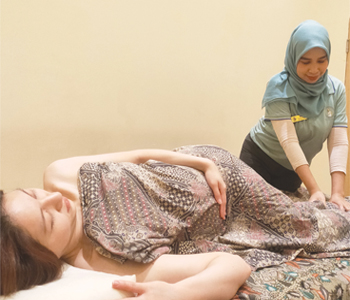
  • Side-lying position with pregnancy pillows (never flat on her back)
  • Gentle, targeted pressure on lower back and hips
  • Focus on areas carrying the most tension
  • Stretches she could do at home between sessions

The Results

Prenatal massage therapy
Prenatal massage provides targeted relief for pregnancy discomfort.

“I walked out of that first session feeling different. The tightness was noticeably less. I could actually stand up straight without pain.”

The real test was the next day at work.

“I sat at my desk for 4 hours straight without needing to get up and walk around. I almost cried. I hadn’t been able to do that in weeks.”

Making It Part of Her Routine

Sarah became a regular, booking sessions every 2-3 weeks throughout her third trimester.

“It wasn’t just about the physical relief. Having that time for myself โ€” where someone was taking care of me instead of me taking care of everyone else โ€” that mattered mentally too.”

The Birth

Sarah worked until 38 weeks and had a smooth vaginal delivery. She believes taking care of her body during pregnancy contributed to her positive birth experience.

“My body was more relaxed going into labor. I knew how to breathe through tension. I really think taking care of myself during pregnancy made a difference.”

Why Prenatal Massage Helps

Sarah’s experience isn’t unique. Here’s why many pregnant women find relief through prenatal massage:

Targets Pregnancy-Specific Pain

Unlike regular massage, prenatal-focused work addresses:

  • Lower back strain from shifted posture
  • Hip tension from ligament relaxation
  • Swollen feet and ankles
  • Shoulder/neck pain from breast growth

Promotes Relaxation

When your body is relaxed, stress hormones decrease. Many women report:

  • Better sleep (even with pregnancy discomfort)
  • Improved mood
  • Reduced anxiety about birth

When to Start Prenatal Massage

Second trimester (14 weeks+) is generally considered the best time to start, but needs vary:

TrimesterCommon Focus
2nd (14-27 weeks)General relaxation, managing emerging back tension
3rd (28-36 weeks)Hip preparation, swelling relief, sleep support
Late 3rd (37+ weeks)Gentle relaxation, preparing for labor

Note: Always check with your doctor before starting massage, especially if you have a high-risk pregnancy.

Finding the Right Provider

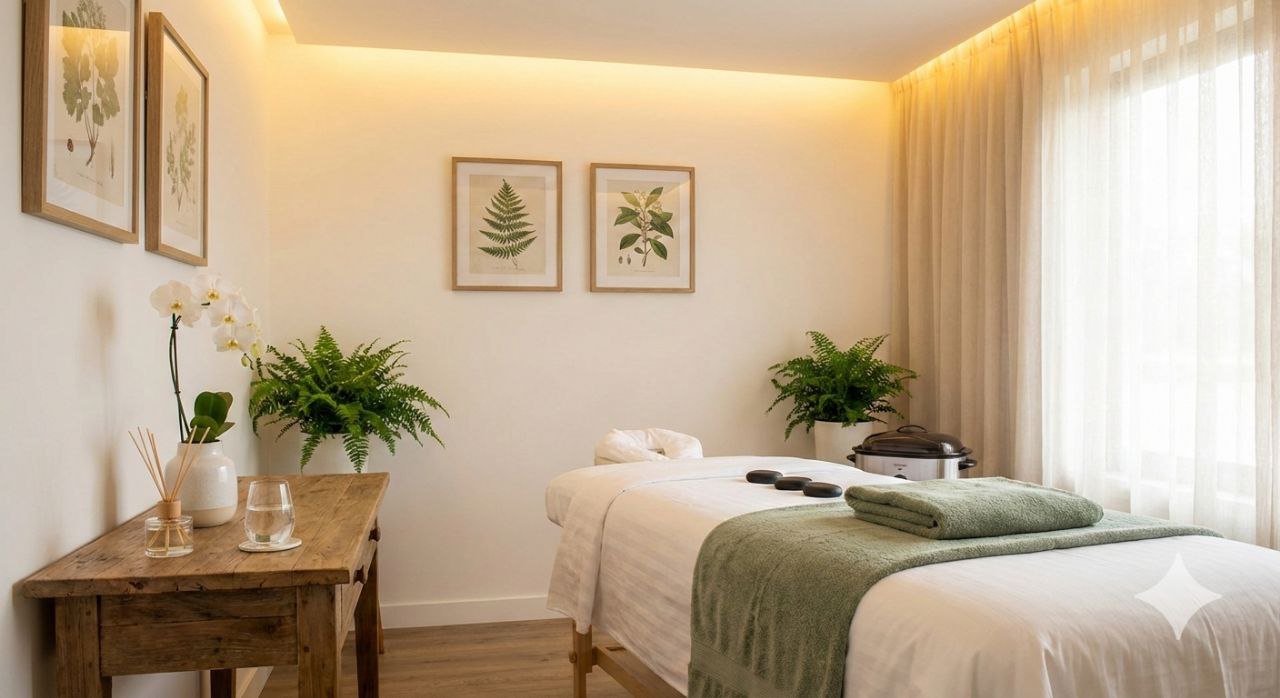
Calming spa treatment room
A comfortable, professional environment matters.

If you’re considering prenatal massage, look for:

  • โœ… Certified prenatal massage training
  • โœ… Experience with pregnant clients
  • โœ… Proper equipment (pregnancy pillows, side-lying setup)
  • โœ… Willingness to communicate with your healthcare provider
  • โœ… Clean, comfortable environment

Don’t hesitate to ask questions before booking. A good provider will welcome them.

Sarah’s Advice to Expecting Moms

“Don’t wait until you’re in constant pain like I did. If you’re feeling any tension, explore your options early. Your body is doing incredible work โ€” it deserves support.”

“And don’t feel guilty about taking time for yourself. When you take care of your body, you’re taking care of your baby too.”

Note: “Sarah” is a composite based on common pregnancy experiences.

Share: Facebook Twitter Linkedin
26/02/2026 | Ella

5 Signs Your Body is Ready for Postnatal Recovery

5 Signs Your Body is Ready for Postnatal Recovery (And Why You Shouldn’t Wait)

Hey mama,

Congratulations on your little one! ๐ŸŽ‰

If you are reading this in those early postpartum weeks (or even months), you are probably running on caffeine and pure love. Between diaper changes, midnight feeds, and trying to remember when you last showered, taking care of yourself probably feels like a distant dream.

But here is the truth: your body just did something incredible. It grew a human, delivered them into the world, and now it is working overtime to recover.

The problem? Most of us ignore the signs that our bodies are ready โ€” or even asking โ€” for recovery support.

Today, we are talking about the 5 signs your body is ready for postnatal recovery โ€” and why starting now (not “when things calm down”) can make all the difference in how you feel.

The 5 Signs

1. Your Bleeding Has Lightened (Lochia is slowing down)

In the first few weeks after birth, your body sheds the lining of your uterus โ€” this is called lochia. It starts heavy and bright red, then gradually becomes lighter and pinkish-brown.

The sign: When your bleeding has significantly reduced and is more like a light period, your uterus has contracted well and your body is ready for gentle recovery work.

This is typically around 2-6 weeks postpartum for vaginal births, though every body is different.

2. You are Sleeping in 3-4 Hour Stretches (Even if broken)

Sleep deprivation is real, mama. But when you start getting stretches of 3-4 hours of sleep (even if it is interrupted by feeding), your body is beginning to regulate.

The sign: Consistent sleep stretches mean your hormones are starting to balance, and your nervous system is ready to receive the benefits of relaxation therapies like massage.

Many moms report sleeping better after postnatal massage sessions โ€” not because they are “treating themselves,” but because their bodies finally get a chance to truly relax.

3. Breastfeeding Has Established (Or you have found your rhythm)

Whether you are breastfeeding, formula feeding, or combo feeding โ€” once you have found a rhythm that works, your stress levels naturally decrease.

The sign: When feeding times feel more predictable and less chaotic, you have the mental bandwidth to prioritize your own healing.

This is often around 3-4 weeks postpartum, though it varies for every mom and baby.

4. You have Left the House (Even just for a short walk)

That first trip out of the house with baby? Huge milestone. When you start feeling ready to venture beyond your front door, it is a sign your energy is returning.

The sign: Feeling cabin fever or wanting to “get out” means your body is craving movement and circulation.

Gentle walks are great, but many traditional cultures also incorporate massage at this stage to support circulation and recovery.

5. You are Feeling “Off” (Back pain, tension, wind pains)

This is the big one. Many mamas think they just have to “deal with”:

  • Lower back pain from carrying baby
  • Shoulder tension from hunching over feeds
  • Abdominal discomfort or wind pains
  • Swollen feet and ankles

The sign: If any of these sound familiar, your body is not just ready โ€” it is asking for help.

These symptoms are common, but they should not be your “new normal.” There are therapies and treatments that can help.

Why Postnatal Recovery Matters

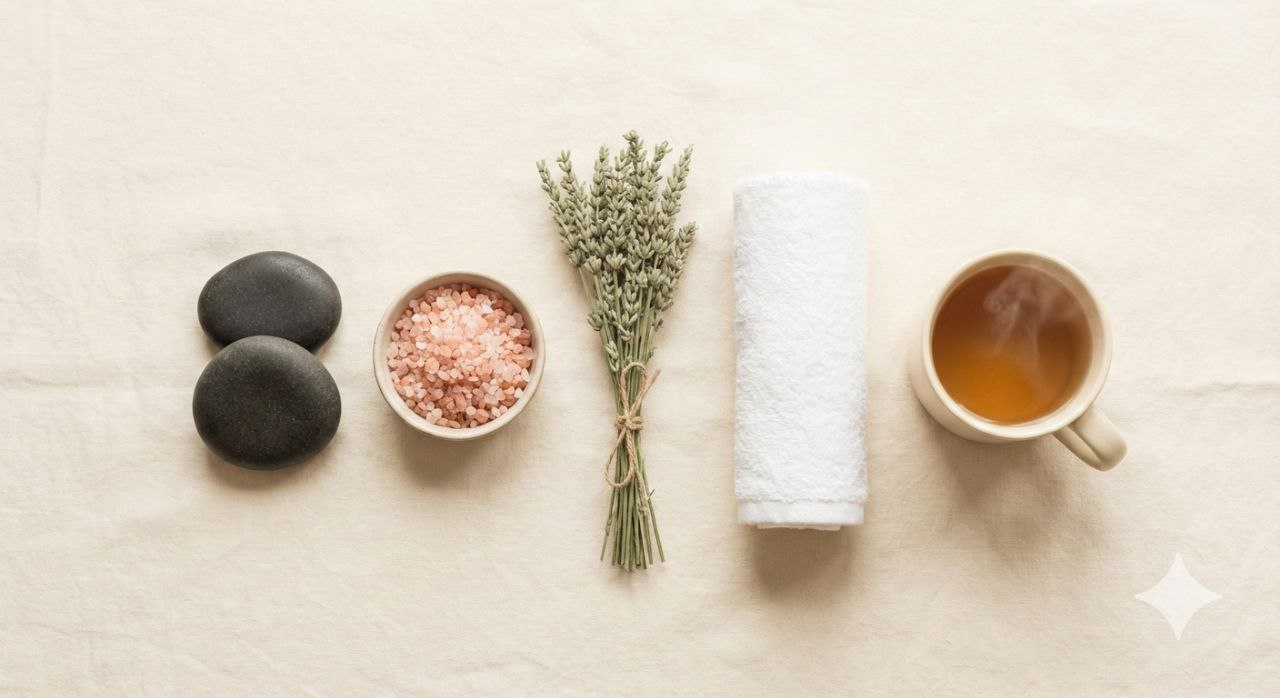
Wellness flat lay with massage stones
Simple tools for profound recovery.

Traditional postnatal care (often called “confinement” or “urut” in Asian cultures) is not just an old tradition โ€” it is based on real physical needs:

Improved circulationReduces swelling and promotes healing
Muscle tension releaseEases back pain from carrying baby
Uterine supportHelps uterus return to pre-pregnancy size
Stress reductionPromotes better sleep and mood
Digestive supportRelieves bloating and abdominal discomfort

Modern research supports many of these traditional practices. The key is finding what works for your body and your lifestyle.

When to Start Postnatal Care?

Most moms can start gentle postnatal therapies 2-6 weeks after vaginal delivery and 6-8 weeks after C-section (with doctor clearance).

But every body is different. The most important thing is listening to your body and consulting with healthcare providers who understand postnatal recovery.

Finding Support

Calming wellness spa room
A peaceful space for your recovery journey.

Whether it is professional massage, pelvic floor therapy, or simply asking your partner for more help โ€” prioritizing your recovery is not selfish. It is necessary.

Your body did an incredible thing. It deserves support.

Partner Offer

๐ŸŽ Special for MamaWellness Readers: TBH Wellness is offering a RM79 First Visit Special for new customers. No code needed.

TBH Wellness specializes in prenatal and postnatal massage with certified therapists at 5 locations across Selangor.

๐Ÿ‘‰ Book via WhatsApp

FAQs

Q: Is postnatal massage safe if I am breastfeeding?
A: Yes, when done by trained therapists.

Q: What should I wear?
A: Comfortable clothing.

Q: Can I bring my baby?
A: Many postnatal-focused clinics welcome this.

Related Posts

  • Understanding Pelvic Floor Recovery
  • What is Confinement? A Modern Mama’s Guide
  • Self-Care Rituals for New Moms

This post is proudly sponsored by TBH Wellness. ๐Ÿ’š

Share: Facebook Twitter Linkedin