
5 Signs Your Body is Ready for Postnatal Recovery (And Why You Shouldn’t Wait)
Hey mama,
Congratulations on your little one! 🎉
If you are reading this in those early postpartum weeks (or even months), you are probably running on caffeine and pure love. Between diaper changes, midnight feeds, and trying to remember when you last showered, taking care of yourself probably feels like a distant dream.
But here is the truth: your body just did something incredible. It grew a human, delivered them into the world, and now it is working overtime to recover.
The problem? Most of us ignore the signs that our bodies are ready — or even asking — for recovery support.
Today, we are talking about the 5 signs your body is ready for postnatal recovery — and why starting now (not “when things calm down”) can make all the difference in how you feel.
The 5 Signs
1. Your Bleeding Has Lightened (Lochia is slowing down)
In the first few weeks after birth, your body sheds the lining of your uterus — this is called lochia. It starts heavy and bright red, then gradually becomes lighter and pinkish-brown.
The sign: When your bleeding has significantly reduced and is more like a light period, your uterus has contracted well and your body is ready for gentle recovery work.
This is typically around 2-6 weeks postpartum for vaginal births, though every body is different.
2. You are Sleeping in 3-4 Hour Stretches (Even if broken)
Sleep deprivation is real, mama. But when you start getting stretches of 3-4 hours of sleep (even if it is interrupted by feeding), your body is beginning to regulate.
The sign: Consistent sleep stretches mean your hormones are starting to balance, and your nervous system is ready to receive the benefits of relaxation therapies like massage.
Many moms report sleeping better after postnatal massage sessions — not because they are “treating themselves,” but because their bodies finally get a chance to truly relax.
3. Breastfeeding Has Established (Or you have found your rhythm)
Whether you are breastfeeding, formula feeding, or combo feeding — once you have found a rhythm that works, your stress levels naturally decrease.
The sign: When feeding times feel more predictable and less chaotic, you have the mental bandwidth to prioritize your own healing.
This is often around 3-4 weeks postpartum, though it varies for every mom and baby.
4. You have Left the House (Even just for a short walk)
That first trip out of the house with baby? Huge milestone. When you start feeling ready to venture beyond your front door, it is a sign your energy is returning.
The sign: Feeling cabin fever or wanting to “get out” means your body is craving movement and circulation.
Gentle walks are great, but many traditional cultures also incorporate massage at this stage to support circulation and recovery.
5. You are Feeling “Off” (Back pain, tension, wind pains)
This is the big one. Many mamas think they just have to “deal with”:
- Lower back pain from carrying baby
- Shoulder tension from hunching over feeds
- Abdominal discomfort or wind pains
- Swollen feet and ankles
The sign: If any of these sound familiar, your body is not just ready — it is asking for help.
These symptoms are common, but they should not be your “new normal.” There are therapies and treatments that can help.
Why Postnatal Recovery Matters

Traditional postnatal care (often called “confinement” or “urut” in Asian cultures) is not just an old tradition — it is based on real physical needs:
| Improved circulation | Reduces swelling and promotes healing |
| Muscle tension release | Eases back pain from carrying baby |
| Uterine support | Helps uterus return to pre-pregnancy size |
| Stress reduction | Promotes better sleep and mood |
| Digestive support | Relieves bloating and abdominal discomfort |
Modern research supports many of these traditional practices. The key is finding what works for your body and your lifestyle.
When to Start Postnatal Care?
Most moms can start gentle postnatal therapies 2-6 weeks after vaginal delivery and 6-8 weeks after C-section (with doctor clearance).
But every body is different. The most important thing is listening to your body and consulting with healthcare providers who understand postnatal recovery.
Finding Support
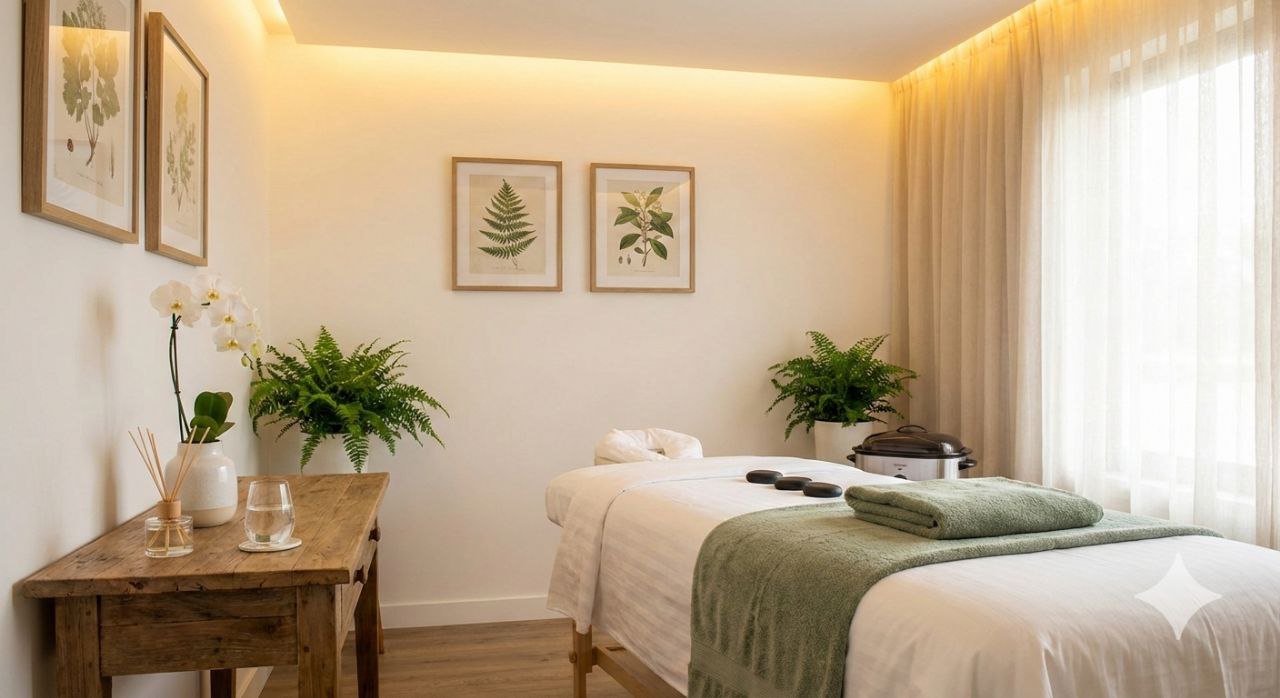
Whether it is professional massage, pelvic floor therapy, or simply asking your partner for more help — prioritizing your recovery is not selfish. It is necessary.
Your body did an incredible thing. It deserves support.
Partner Offer
🎁 Special for MamaWellness Readers: TBH Wellness is offering a RM79 First Visit Special for new customers. No code needed.
TBH Wellness specializes in prenatal and postnatal massage with certified therapists at 5 locations across Selangor.
FAQs
Q: Is postnatal massage safe if I am breastfeeding?
A: Yes, when done by trained therapists.
Q: What should I wear?
A: Comfortable clothing.
Q: Can I bring my baby?
A: Many postnatal-focused clinics welcome this.
Related Posts
- Understanding Pelvic Floor Recovery
- What is Confinement? A Modern Mama’s Guide
- Self-Care Rituals for New Moms
This post is proudly sponsored by TBH Wellness. 💚

